Last updated on November 14th, 2025 at 02:31 pm
Airbnb is one of the most recognizable brands in the travel industry. Millions of people use the platform each year for short-term rentals, unique accommodations, and “home away from home” stays. But the Airbnb fee structure change in 2025 marks a significant shift in how the company operates—impacting guests, property owners, and property managers alike.
This new policy has drawn skepticism. It seems unlikely Airbnb consulted its host community before implementing such a sweeping change. Many in the industry, including experienced short-term rental landlords, believe it was a poorly considered move. The vacation rental industry already faces criticism across social media, and Airbnb has just added more fuel to the fire.
In the past Airbnb service fee was included
In the past, travelers paid a separate Airbnb service fee—about 15.5%—while hosts only paid a 3% commission. Under the Airbnb fee structure change 2025, that fee is hidden. Airbnb now collects the same amount, but directly from hosts. While the company advertises this as “simpler pricing,” the result is predictable: higher Airbnb prices for travelers and lower income for hosts.
This change—so far not adopted by competitor VRBO—reminds observers of corporate missteps like those at Cracker Barrel and Bud Light. The old saying applies: “If it isn’t broken, don’t fix it.” Guests may soon find themselves paying more while assuming hosts are responsible for the increase.
For guests booking for the first time, for property owners trying to maintain profitability, and for property managers across the country, this change is significant. Let’s break down exactly how it works and what it means for the future of vacation rentals.
📢 External Commentary from Yahoo
A recent Yahoo article highlights rising frustrations with Airbnb: “Travelers appear to be abandoning Airbnb because of high costs, excessive fees, and poor host service.”
Source: Yahoo Entertainment
How Airbnb’s New Fee Structure Actually Works
- Previous System: Guests paid a nightly rate plus a visible Airbnb service fee (around 15.5%). Hosts contributed a small 3% commission.
- New System: Guests now see a “total price.” Airbnb takes its 15.5% cut directly from the host’s payout, not the guest’s side of the transaction.
At first glance, this looks like a win for travelers—no more hidden reservation fees or confusing down arrows during checkout. But when Airbnb hosts adjust their nightly rates to make up the difference, the outcome is the same: guests pay more, while hosts shoulder the blame.
Example Breakdown: Before and After the Airbnb Fee Structure Change 2025
Airbnb quietly changed the rules.
$250 Nightly Rate – Before and After Airbnb Fee Structure Change
1. Old Model (Before Change)
- Nightly rate: $250
- Cleaning fee: $140
- Guest pays Airbnb service fee (15.5% of $250): $39
- Total guest payment: $429
Host payout: $250 + $140 – $7.50 (3% host fee) = $382.50
2. New Model (Host Absorbs Fee)
- Nightly rate: $250
- Cleaning fee: $140
- No visible Airbnb service fee
- Total guest payment: $390
Host payout: $250 + $140 – $38.75 (15.5% host fee) = $351.25
🔻 Host loses $31.25 per booking
3. New Model (Host Raises Rate to Break Even)
- Adjusted nightly rate (grossed up): $295.85 (~$296)
- Cleaning fee: $140
- Total guest payment: $435.85
Host payout: $295.85 + $140 – $45.85 (15.5% of $295.85) = $390
📌 Key Takeaway
- Old model: Guest pays $429, host nets $382.50
- New model (absorb): Guest pays $390, host nets $351.25
- New model (correct gross-up): Guest pays $435.85, host nets $390
✅ To break even, hosts must raise rates by more than 15.5%, since Airbnb also charges its fee on the increased amount.
⚠️ But it now looks like the host raised prices, when in fact Airbnb shifted the fee structure.

Impact on Guests
For travelers, the Airbnb fee structure change in 2025 creates hidden consequences. Airbnb promotes this as an improvement to the guest experience, but several issues emerge:
- Higher Costs: Hosts must raise their base rate or add additional fees such as a cleaning fee, pet fee, or extra guest fee.
- Fewer Listings: If hosting becomes less profitable, smaller operators may exit the platform, reducing Airbnb listings available in certain markets.
- Disguised Costs: Even with “total price” shown in the search input, the actual total price is often higher, especially for longer stays or during local events when dynamic pricing algorithms spike rates.
Guests may also see tighter availability rules, tougher cancellation policies, and stricter house rules, all designed to protect host profitability but reduce traveler flexibility.
Impact on Property Owners
For property owners, the Airbnb fee structure change in 2025 is especially painful. Losing 15.5% of income compared to 3% in the old model dramatically changes the economics of hosting.
Options include:
- Accept Lower Profits – Not sustainable.
- Add a Fee – Introduce charges such as higher cleaning services fees.
- Raise the Nightly Price – Increase listed rates, making it appear that hosts are driving up costs.
Owners already cover local taxes, cleaning services, security deposits, and the cost of professional hosting tools. This change adds more financial strain. In cities like Los Angeles, where local laws are already complex, the burden is even heavier. For more information about buying property for your vacation rental, read this article: https://retirecoast.com/the-best-places-to-buy-a-property-for-airbnb-rental-2022/
Impact on Property Managers
For property managers, this shift highlights the dangers of relying on a single platform. A proactive approach is now essential:
- Diversify: Use VRBO, Booking.com, and smaller sites like bnbator.
- Direct Bookings: Promote company websites to avoid unnecessary Airbnb charges.
- Dynamic Pricing Tools: Leverage custom pricing strategies to balance occupancy rates during low season and local events.
- Marketing Strategies: Emphasize local culture, beaches, and local businesses rather than relying on Airbnb’s search input or down arrows.
Managers who adapt and push direct bookings will protect both owners and guests from the fallout of this change.
The Bigger Picture: Short-Term Rentals and Local Economies
The short-term rental market powers local economies, supporting restaurants, cleaning services, and other service providers. In popular tourist destinations, these rentals bring in real economic benefits.
But when the Airbnb fee structure changes in 2025 cuts into host earnings, reducing cash flow for local communities as well. In markets like the Mississippi Gulf Coast, the result could be fewer rentals, lower demand, and slower economic growth. Try ChrisiesGulfBeachRentals.com to book on the Coast.
Why Direct Bookings Matter More Than Ever
For guests, booking direct means:
- Lower total cost with no hidden platform fee.
- Clearer communication with managers.
- More flexible cancellation policies and house rules.
For owners, direct bookings mean:
- No 15.5% platform cut.
- Steadier cash flow.
- Less reliance on unpredictable corporate policies.
Direct reservations keep more money in local economies and support a healthier guest experience overall.
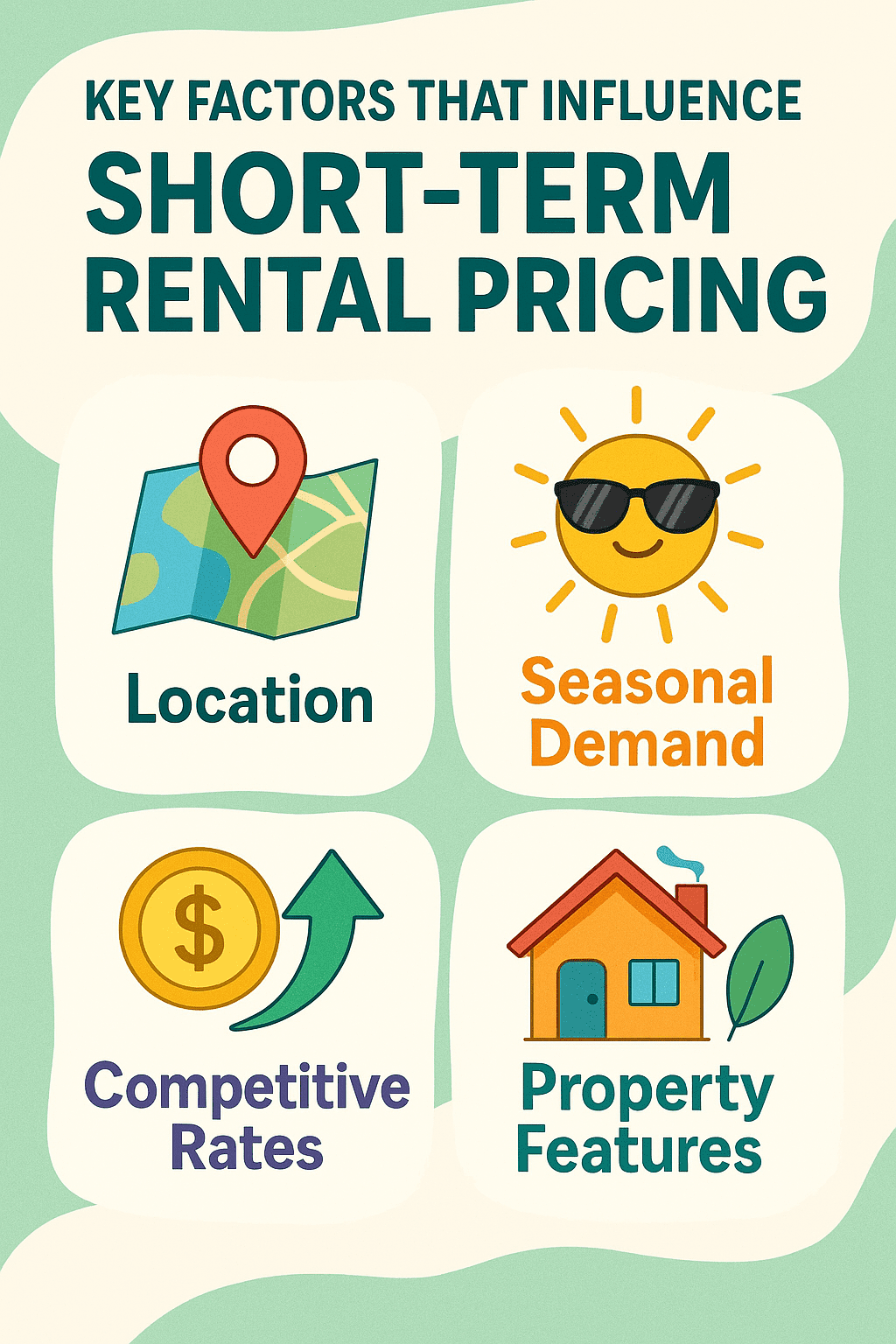
Key Factors That Influence Pricing
Many factors affect how short-term rental landlords set their nightly price:
- Pricing Adjustments: Adjusting for demand, seasonality, and local events.
- Cleaning and Extra Guest Fees: Offsetting operating expenses.
- Monthly Discounts: Incentivizing longer stays during the low season.
- Early-Bird Discounts: Encouraging bookings well before the check-in date.
- Flexible Cancellations: Helping avoid negative reviews tied to last-minute cancellations.
Airbnb once promoted Smart Pricing, but under this new business model, hosts must take full charge of their prices—often relying on independent dynamic pricing tools to compete effectively.
Final Thoughts on the Airbnb Fee Structure Change 2025
The reality is simple: this shift is terrible for nearly everyone—except Airbnb. Guests end up paying more, hosts see their income reduced, and property managers face added challenges keeping operations sustainable. In the short term, Airbnb benefits from the additional revenue, but in the long run, the company risks eroding trust with both sides of its user base.
History shows that when consumer and industry backlash grow loud enough, even the biggest corporations are forced to rethink their decisions. Other brands have reversed course when customer confidence began slipping away, and Airbnb may find itself on a similar path if the resistance from hosts, owners, and guests continues to build.
One of the best ways to push for change is collective action: share your experience on social media, engage directly with Airbnb on their platforms, and read and circulate articles like this one. The more attention this issue receives, the harder it will be for Airbnb to ignore the voices of the very people who made it successful in the first place.
A story about VRBO vs Airbnb
VRBO vs Airbnb: A Real-World Case Study
At Christies Gulf Beach Rentals, we placed a beautiful vacation property onto the major platforms. From the very start, the bookings didn’t come from Airbnb — they came from VRBO. Within weeks, the calendar was filling, and the owner decided to keep the listing on VRBO exclusively. The property was already successful, and there was little incentive to add Airbnb when availability was limited.
This illustrates the benefit of competition in the short-term rental market. At Christies overall, bookings tend to split roughly half from Airbnb, half from VRBO, with a smaller percentage coming directly from our own site, ChristiesGulfBeachRentals.com. Yet in this case, VRBO carried the property alone. If guests begin viewing Airbnb as the more expensive option, owners may increasingly choose to limit or drop it in favor of alternatives.
| Platform | Pros | Cons |
|---|---|---|
| VRBO |
– Strong booking flow in this case study – Transparent pricing for guests – Competitive fees |
– Smaller overall user base than Airbnb – Less exposure in some major cities |
| Airbnb |
– Very large user base – Well-known global brand – Familiar booking experience for many travelers |
– New 2025 fee structure creates higher guest costs – Perception of being “more expensive” – Risk of fewer bookings if owners raise rates |
| Direct Bookings (ChristiesGulfBeachRentals.com) |
– No added platform fees – Best rates for guests – Strongest cash flow for owners – Direct communication with managers |
– Requires marketing to drive traffic – Smaller share compared to major platforms |
Case Study Takeaway: Owners have options. If Airbnb’s new fee structure continues to push up guest prices, platforms like VRBO and direct booking websites stand to gain even more ground.
Is there more to be concerned about
I’ve noticed a troubling trend in recent years: new CEOs who believe their mission is to disrupt their companies at all costs, regardless of whether customers or employees are asking for change.
Many years ago, when I was an executive at a major consumer goods company, senior leadership was cautious about bringing in so-called “wonderkinds” who wanted to overhaul everything. Eventually, the company did just that, over the objections of more seasoned managers.
The new marketing executive made sweeping changes to a very traditional business — much like what we’ve seen with Bud Light. Within a year, the executive was gone, but not before causing serious damage and driving away talented people.
The changes at Airbnb today feel eerily familiar. This new fee structure shows a callous disregard for customers — both hosts and guests. It’s as if no meaningful research was done outside of a closed-door strategy session in a corporate high-rise. Had they listened to the people actually affected, they would have heard how damaging this would be.
Is this becoming a larger cultural trend — a kind of “beat down” of trust, tradition, and common sense in the name of disruption? At RetireCoast.com, we’ll be exploring this pattern in more depth in a future article.
Read more about this here: https://christiesgulfbeachrentals.com/airbnb-fee-structure-change-2025/
PODCAST ABOUT THIS ARTICLE
Airbnb Fee Structure Change 2025 – Frequently Asked Questions
1) What is the Airbnb fee structure change 2025?
2) Does the new model raise the total price for guests?
3) Why are hosts raising nightly rates after the change?
4) Can you show a quick $250 example before vs. after?
5) Are direct bookings cheaper than Airbnb?
6) Which fees are normal on short-term rentals?
7) What should guests look for in cancellation policies?
8) How does the change affect property owners’ cash flow?
9) How can hosts keep prices fair without losing money?
10) What alternatives to Airbnb should travelers consider?
What are the pros and cons of living in Mississippi?
The pros of living in Mississippi include a low cost of living, affordable housing, mild winters, and friendly communities. Cons include limited job opportunities, lower average wages, and vulnerability to hurricanes and humid summers. Retirees often find the affordability and slower pace appealing despite weather-related risks.
Disclosure:
This article reflects the personal opinion of the author using facts available at the time the article was created.
Discover more from RetireCoast.com
Subscribe to get the latest posts sent to your email.