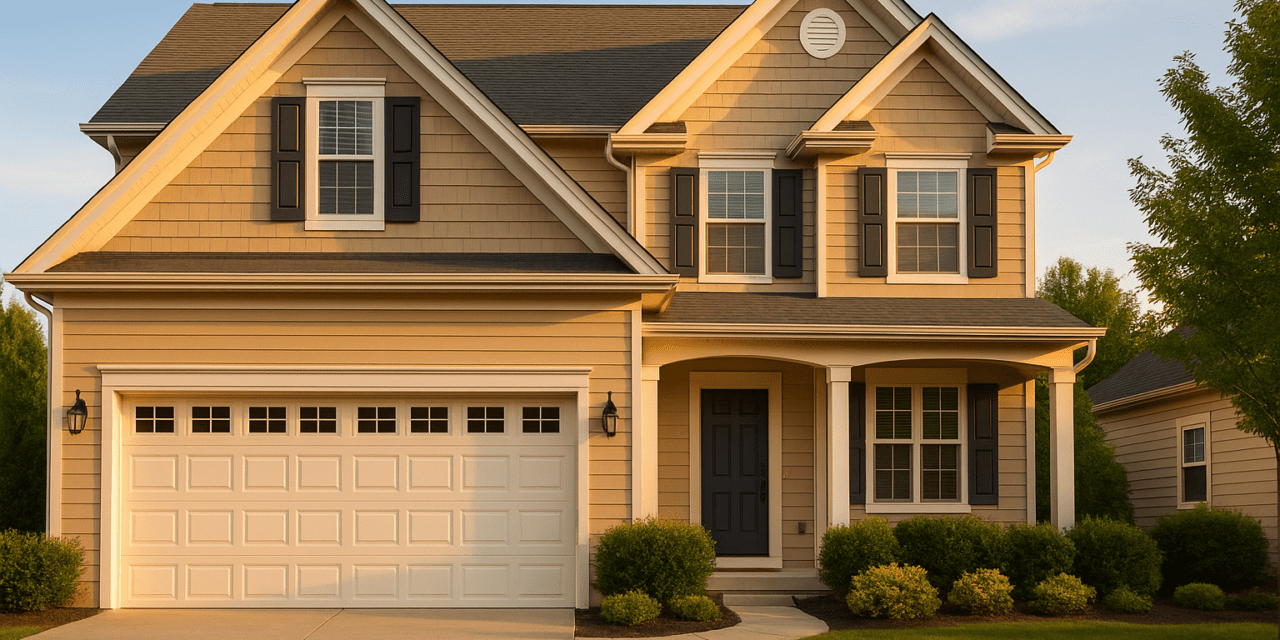
Smart Home Projects That Add Value (Without Wasting Money)
Smart home projects that add value are not always the most expensive or the most high-tech upgrades. When it comes to preparing a home for resale—or improving it for retirement living—the difference between a useful improvement and wasted money matters more than ever.
Many homeowners assume that adding the latest smart device or doing a big upgrade will automatically boost resale value. In reality, some projects improve day-to-day living but have little impact on price, while others are quietly becoming expected features for today’s buyers.
For homeowners planning for retirement, the right smart home projects that add value can:
- Reduce physical effort
- Improve safety and security
- Lower long-term energy costs
- Make aging in place easier
The wrong projects can add maintenance headaches, drain savings, or scare away buyers. This guide focuses on smart home features, traditional improvements, and risk-reduction projects that actually matter—for you now and for the next owner later.
Want something you can print and mark up as you walk through your home? We’ve created a companion checklist to use with this article.
🖨️ Download the Pre-Listing Fix-It Checklist (PDF)A Real Estate Broker’s Perspective
Many people wait until they’re getting ready to sell before making improvements. Why wait? Why not enjoy those upgrades yourself—especially if you can afford to do them now? Install that smart door lock and ditch the key today. Add the smart thermostat that will save you money on utilities every month. There’s no rule that says only the next owner gets to enjoy a safer, more comfortable, more efficient home.
II. How Smart Home Features Affect Home Value
This section explains why smart home projects that add value tend to influence buyer perception and confidence more than they change the hard appraised dollar amount.
Smart home features absolutely influence how buyers feel about your home—but not always in the neat “add $10,000 to value” way that some marketing suggests. In practice, smart upgrades tend to affect:
- Buyer expectations (does the home feel current?)
- Perceived quality (does it feel cared for and updated?)
- Time on market (does it stand out from similar listings?)
A. What Today’s Buyers Often Expect
Most buyers are used to some degree of connectivity and automation. They may not demand a fully smart home, but they’re pleasantly surprised when they see things like:
- A smart thermostat
- A video doorbell at the front door
- Smart exterior or motion lights
- A smart lock instead of a traditional deadbolt
These smart home projects that add value don’t replace fundamentals like good location, structure, or pricing—but they can tip the scales if a buyer is torn between similar homes.
B. What Appraisers Actually Do With Smart Features
Appraisers are trained to value homes based on comparable sales, square footage, condition, and location. Most smart features are considered minor improvements or personal property, not structural changes.
However, they can still help by supporting an overall impression of good maintenance and thoughtful modernization, especially when paired with visible care elsewhere in the home.
C. Regional, Energy, and Insurance Considerations
In hot, humid, or storm-prone areas, smart upgrades overlap with energy efficiency and risk reduction:
- Smart thermostats help manage cooling and heating costs.
- Leak detectors near water heaters, washers, and under sinks can prevent water damage.
- Smart exterior cameras and lights add security and peace of mind.
For neutral energy guidance, see the U.S. Department of Energy’s homeowner information: https://www.energy.gov/energysaver/
D. Smart vs. Traditional Improvements: Which Comes First?
If you have a limited budget, smart upgrades should not come before basics like roof condition, HVAC health, plumbing and electrical safety, and moisture control. A smart thermostat won’t save a sale if the roof is failing or there’s mold in the crawlspace.
A Real Estate Broker’s Perspective
In real life, buyers rarely say “we paid more because of the smart thermostat.” What they do say is, “this house feels newer” or “it looks like they really maintained this place.” Smart features tend to work best when they reinforce a bigger story: that the owner has kept up the home, paid attention to details, and invested thoughtfully. If the roof is old or there are obvious signs of neglect, no amount of smart gear will cover that up.
III. Smart Home Projects That Typically Add Resale Value
These smart home projects that add value are easy to understand, easy to demonstrate, and appealing to a wide range of buyers. They support the “well-maintained and up to date” story without overwhelming anyone.
A. Smart Thermostats
Smart thermostats are one of the safest smart upgrades for resale. Buyers understand them instantly, see the potential for lower utility bills, and rarely view them as intimidating.
B. Video Doorbells and Entry Monitoring
Video doorbells have become familiar and expected in many areas. They improve perceived security and convenience and are easy for buyers to imagine using in daily life.
C. Smart Locks (When Done Correctly)
Smart locks work best when installed at one main entry with a simple interface and a clear backup plan (like a physical key or keypad). Buyers like keyless entry—but they don’t want to feel trapped by a complicated access system.
D. Smart Lighting (Limited and Purposeful)
Smart lighting adds value when it improves safety and usability: exterior motion lights, dusk-to-dawn fixtures, or a few key interior locations. Whole-home lighting scenes that require an app lecture generally do not help resale.
E. Leak Detection and Water Monitoring
Smart leak detectors are one of the best under-the-radar smart investments. They help prevent costly water damage and signal proactive ownership to both buyers and insurers.
A Real Estate Broker’s Perspective
The smart features that help resale are the ones buyers understand instantly. A thermostat, a doorbell camera, or a simple smart lock makes sense right away. When a home has too many systems—or ones that need explanation—buyers start to worry about maintenance, costs, and complexity. The goal is never to impress a buyer with technology; it’s to make the home feel current, easy to live in, and well cared for.
IV. Smart Upgrades That Improve Retirement Living (Even If Resale Is Neutral)
Some smart upgrades are less about resale and more about how comfortably and safely you can live in your home—especially in retirement. These projects may not raise your home’s price, but they can improve daily life so much that they’re still worth doing.
A. Voice-Controlled Home Features
Voice control for lights, thermostats, and reminders can reduce the need to get up, reach, or bend—especially helpful for people with mobility or joint issues.
B. Smart Lighting for Safety and Mobility
Motion-activated night lights, path lights in halls, and automatic entry lights help prevent falls and make nighttime movement safer.
C. Smart Appliances That Reduce Effort
Appliances that give alerts (cycle done, door open, temperature problem) help catch issues early and reduce mental load.
D. Home Monitoring for Peace of Mind
Smart monitoring—temperature, leaks, power status—can be especially useful for retirees who travel, snowbirds, or owners of second homes.
E. Safety-Focused Smart Technology
Smart smoke and CO detectors with alerts, door and window sensors, and emergency lighting features all support aging in place, even if buyers never pay extra for them.
A Real Estate Broker’s Perspective
I’ve seen many homeowners wait to make comfort and safety upgrades until after a fall or a health issue makes them necessary. The truth is, many smart features that improve retirement living don’t need to increase resale value to be worth it. If a system helps you stay independent, avoid accidents, or reduce daily frustration, it’s doing exactly what it should—regardless of whether a future buyer notices it.
V-A. Traditional Improvements That Outperform Most Smart Upgrades
Smart home features can modernize your home, but when it comes to resale, nothing competes with the fundamentals buyers see and feel in every room. In many cases, these basic improvements outperform smart home projects that add value in the minds of buyers.
1. Flooring: The Unsung Hero of Resale Value
If your flooring is in good condition, there’s no need to replace it just to sell. But if it’s worn, stained, or dated, replacing carpet with vinyl plank flooring (LVP) is one of the highest-impact improvements you can make.
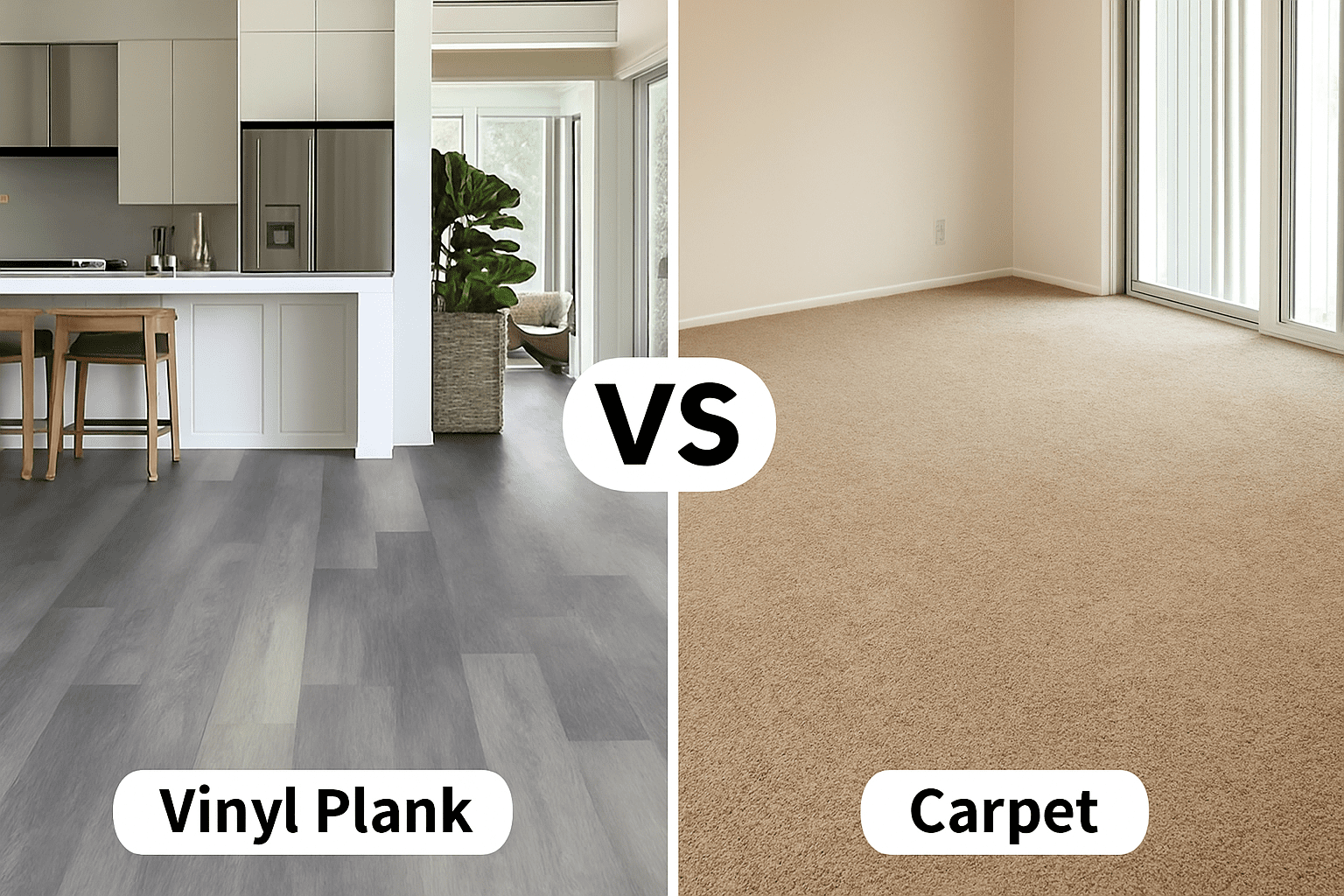
Young and older buyers alike prefer clean, hard surfaces. Walk through a new housing development and you’ll see almost no wall-to-wall carpet in main living areas—that’s what buyers expect now.
While flooring is not a gadget, it consistently outperforms many smart home projects that add value when it comes to real-world buyer response.
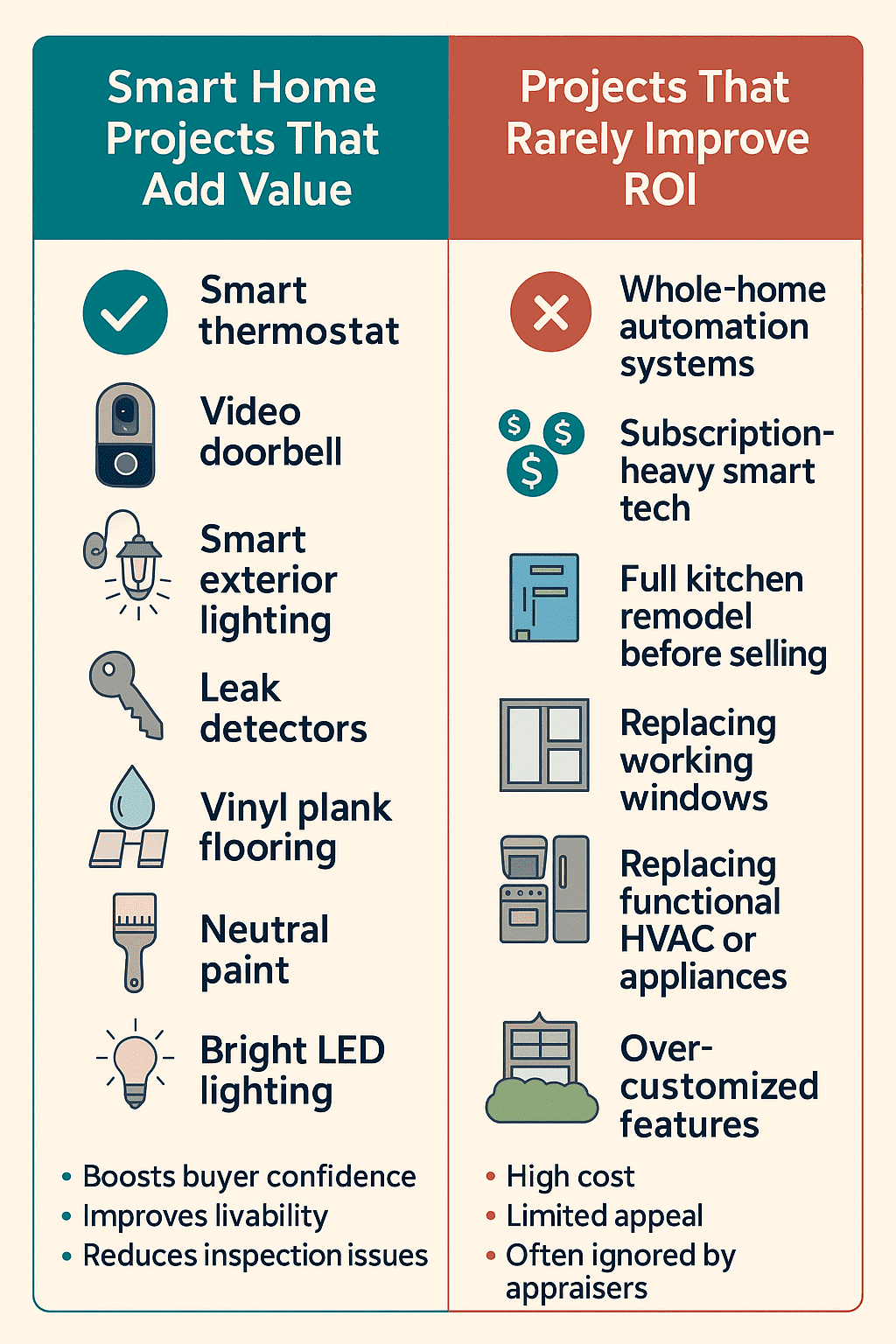
Infographic: Smart Home Projects That Add Value vs. Wasted Spend
This infographic highlights the difference between smart home projects that add value and upgrades that often cost more than they return. Use it as a quick reference when deciding where to invest—and where to hold back.
2. Fresh Interior Paint in Neutral Colors
Few upgrades make a home feel newer than fresh, neutral paint. It brightens rooms, hides wear, and helps buyers imagine their own furniture and decor.
3. The Entrance: First Impressions Sell Homes
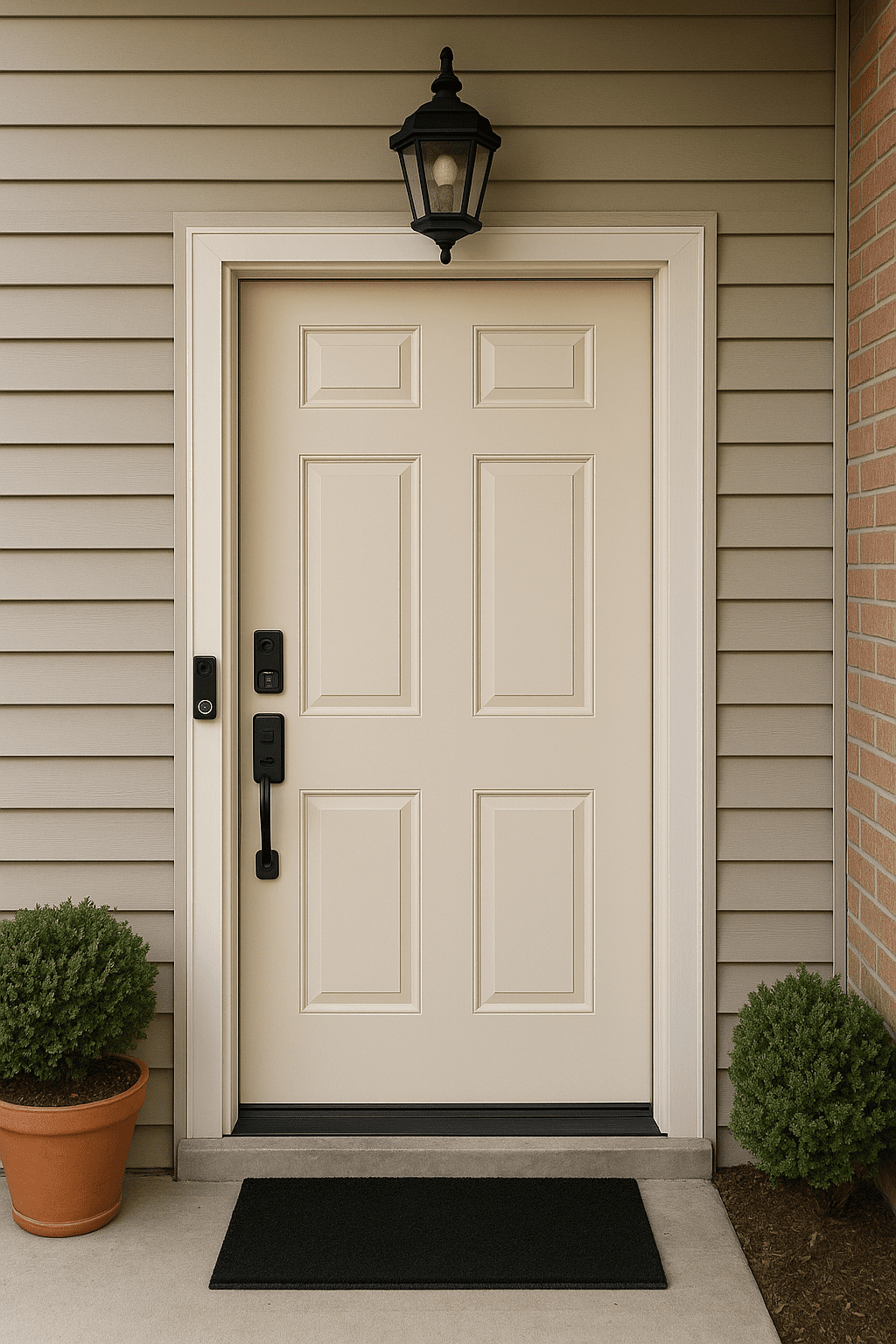
The front door is one of the highest-ROI spots in the house. Replace old door hardware when installing a smart lock, swap an outdated knob for a clean handle, update a rusted knocker, clean or replace hinges, and repaint the door if needed. Do the same at back and side doors.
Pro Tip: Lighting Sells Homes
Replace bulbs in overhead fixtures with bright LED bulbs and improve the overall lighting in your home. Lighting is a key factor in how buyers perceive space. Today’s buyers want open, bright rooms. The days of dark paneling and dim spaces are over. Add light where it’s needed using rechargeable stick-up lights or plug-in motion-sensor path lights in hallways. These inexpensive improvements can instantly change how a home feels—and buyers notice.
Pro Tip: Refresh Cabinets Instead of Replacing Them
If your kitchen cabinets are dated but structurally sound, consider refurbishing them instead of replacing them. Kitchens and bathrooms are the two most important rooms for buyers, and refreshed cabinets can dramatically improve first impressions without the cost of a full remodel. This YouTube video walks through the process and helps you decide whether to DIY or hire a handyman: Watch the cabinet refurbishing video . Be sure to replace old knobs or handles with updated hardware—this small detail makes a big difference.
Many of these high-impact improvements—flooring, paint, lighting, hardware, and minor repairs—can be handled by a skilled handyman. For retirees especially, knowing when to hire help can prevent stress and injury: Why Seniors Need a Handyman for Home Repairs Now .
A Real Estate Broker’s Perspective
After hundreds of showings, I can tell you this: buyers care far more about clean modern flooring, fresh paint, and a sharp entrance than about most smart devices. Vinyl plank flooring and a freshly painted interior make a home feel almost new. And a clean, well-maintained front door with updated hardware sets the tone before buyers ever step inside. I’ve seen more sales boosted by these simple updates than by any high-tech system in the house.
V. Smart Projects That Sound Impressive—but Rarely Add Value
Not all smart home technology is created with resale or long-term living in mind. Some projects look great in marketing materials but add little or no real-world value—and sometimes scare buyers.
A. Fully Customized Whole-Home Automation Systems
High-end systems that control everything (lighting, audio, climate, security) often require upkeep, specialized technicians, and ongoing costs. Many buyers prefer simpler, more flexible solutions they can control themselves.
B. Subscription-Dependent Smart Features
Devices that lose most of their functionality without a monthly subscription are a turn-off. Buyers don’t want to inherit mandatory fees as part of the house.
C. Over-Automated Lighting, Shades, and Scenes
When lights or shades move unpredictably or require app training, buyers often plan to disable or replace the system after closing.
D. Smart Tech That Requires Too Much Explanation
If you need a tutorial to explain how your smart system works, it’s probably not helping resale. Buyers want intuitive, not impressive.
E. Technology That Ages Faster Than the Home
Smart devices age quickly. A system that seems cutting-edge today may feel dated or unsupported in a few years, creating uncertainty—not value.
A Real Estate Broker’s Perspective
Over the years, I’ve seen high-end smart systems go from being a selling point to a question mark. Buyers don’t want to inherit a customized setup they don’t fully understand or have to pay to maintain. Simple, recognizable smart features help; complex, proprietary systems often create hesitation instead of excitement.
VI. Cost vs. Return: Where the Value Breaks Down
Every improvement decision comes down to cost versus return—but “return” isn’t just a higher sale price. It can also mean faster offers, fewer concessions, or a smoother transaction.
A. Why Dollar-for-Dollar ROI Is Rare
Most improvements—even good ones—don’t return 100% of their cost at resale. Appraisers look at comparable sales, not receipts. Many upgrades are viewed as maintenance, not value-add.
B. Improvements That Help You Get Close
Projects like updated flooring, fresh neutral paint, better lighting, clean exteriors, and simple smart upgrades help homes show better and reduce price resistance.
C. Timing Matters More Than the Upgrade Itself
The closer you are to selling, the more conservative you should be. If you plan to sell in 6–12 months, focus on appearance and basic repairs rather than major investments. If you plan to stay years, balance comfort and efficiency with future appeal.
D. Equity, Budget, and Practical Limits
Just because you have equity doesn’t mean you should spend it on upgrades. Ask yourself whether a project will reduce buyer objections, shorten time on market, or improve your own life meaningfully.
To understand how improvements, mortgage payments, and home costs fit into your bigger financial picture, tools like this can help: Home Affordability Calculator .
E. When Spending More Can Backfire
Over-improving often means going beyond buyer expectations for your neighborhood—or making design choices that limit appeal. Even well-intended smart home projects that add value for you personally can backfire if they feel excessive or confusing to the average buyer.
Case Study: When One Room Stopped a Sale
A homeowner was selling in a very strong seller’s market. The price was competitive, the home showed well overall, and many buyers toured the property— but offers didn’t materialize. Feedback from a few buyer agents revealed a pattern: a very dark green dining room sharply contrasted with the neutral colors in the rest of the house.
Buyers struggled to look past it. Why they didn’t simply imagine repainting and getting a good deal is another story. What mattered was their perception during the showing.
The listing agent advised the seller to repaint the dining room in a neutral color. Within a week of making that one inexpensive change, the house sold. The lesson: alignment and presentation often matter more than major upgrades.
Case Study: The Roof That Stopped Every Buyer
Replacing a roof can be expensive, so it’s generally not recommended to replace one that is not leaking or showing signs of extreme wear. However, asphalt shingle roofs deserve closer attention once they are more than about 15 years old—especially if they are deeply faded or visibly deteriorated.
I represented a buyer who liked a home that had been sitting on the market for months. The roof was ancient and actively leaking. The seller had no funds to replace it, and buyers did not want to purchase the home only to immediately spend $15,000 on a new roof.
My buyer was different—he had the ability to pay for the roof. I negotiated with the seller’s agent so the seller would provide funds at the closing table to cover the cost of a new roof. The deal went through, but only because that financial obstacle was removed.
The moral of the story: the seller should have replaced the roof years earlier. If you know your roof is in bad condition and plan to sell sooner rather than later, replacing it proactively can prevent long delays, lost buyers, and forced concessions.
A Real Estate Broker’s Perspective
Most sellers don’t lose money because they didn’t upgrade enough—they lose it by upgrading the wrong things. Buyers expect homes to work, look clean, and feel current. When improvements support that expectation, they help protect value. When upgrades go beyond what buyers expect for the neighborhood, they rarely pay off and sometimes create pricing problems instead of solutions.
VII. Energy-Efficient Projects That Pair Well with Smart Tech
Energy efficiency is one of the few areas where smart upgrades and traditional improvements work best together. Done correctly, these projects lower operating costs, improve comfort, and strengthen buyer confidence.
Energy-focused smart home projects that add value usually start with basics—insulation, windows, and lighting—and then use simple controls to make those improvements even more effective.
A. Insulation and Air Sealing First
Before adding any smart controls, make sure the home holds temperature. Proper attic insulation, duct sealing, and draft control around doors and windows create the foundation for efficiency.
B. Smart Thermostats Paired With a Healthy HVAC System
Smart thermostats work best with a maintained, properly sized system. They can’t fix neglected equipment—but they can help a good system run smarter.
C. Windows: When to Repair, Refresh, or Replace
Windows are often misunderstood. Replacing functional windows rarely improves resale value enough to justify the cost. Before listing, focus on repair and refresh:
- Repair cracked or broken glass
- Clean glass, frames, and screens thoroughly
- Replace worn window treatments with simple blinds
- Make sure all windows open, close, and lock properly
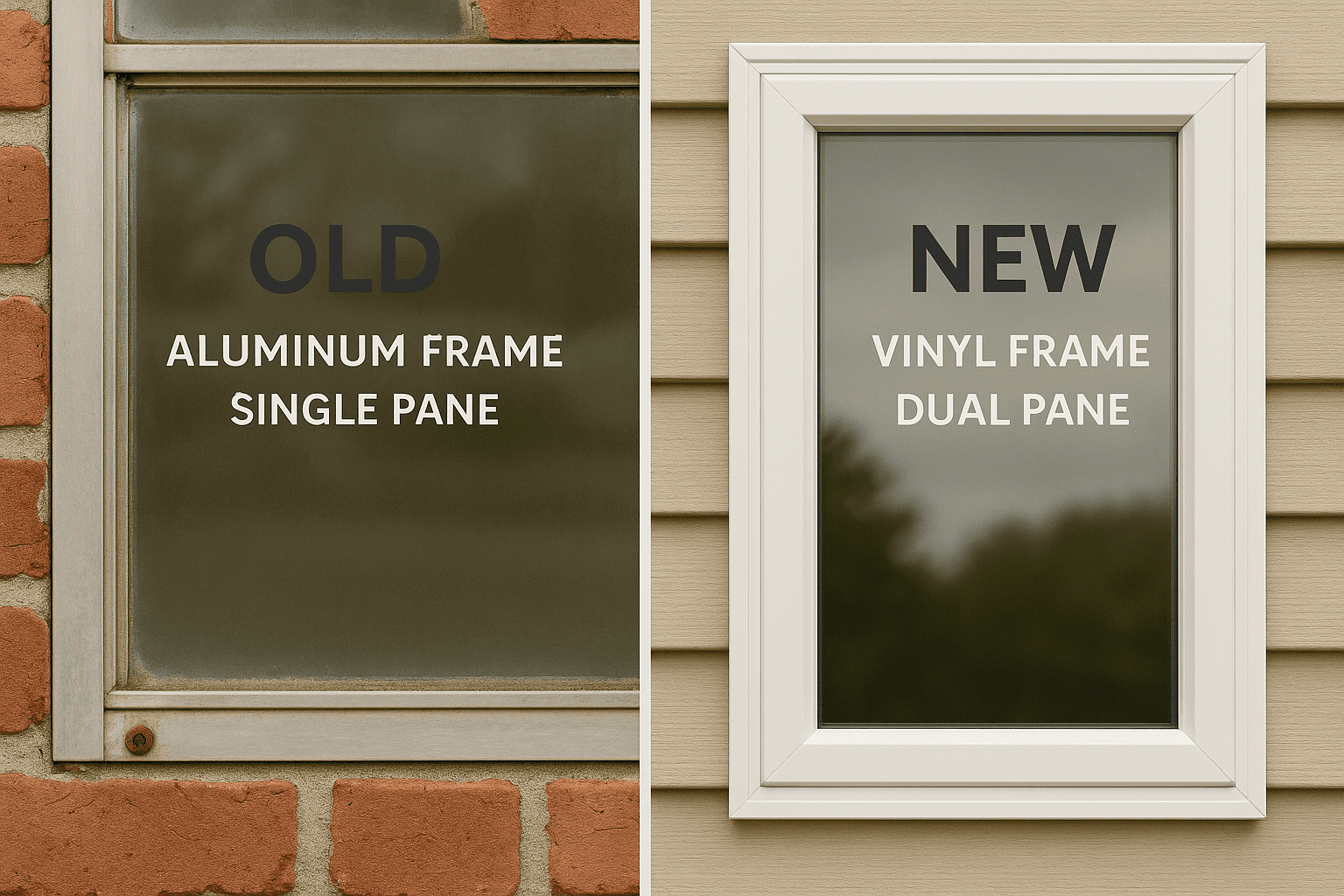
Replacing single-pane windows is a different decision, and it makes more sense for owners who plan to stay. According to ENERGY STAR guidance, modern double- or triple-pane windows can significantly reduce energy loss and improve comfort when replacing older single-pane units.
ENERGY STAR window information: ENERGY STAR Windows Messaging (PDF)
Pro Tip: Check for Window Replacement Rebates
If you are considering replacing single-pane windows and plan to remain in your home, check for available rebates. Federal energy-efficiency programs and local utility companies may offer rebates or tax incentives for qualifying ENERGY STAR–rated window replacements. These programs change over time, but they can significantly reduce the net cost of an upgrade that improves comfort and lowers long-term energy bills.
Case Example: When Replacing Windows Is Worth It
Window replacement makes far more sense when you intend to stay in your home. Replacing old single-pane windows with modern dual- or triple-pane windows can dramatically reduce heating and air-conditioning costs while improving comfort, noise reduction, and appearance.
Some homeowners handle window replacement themselves, while others hire a handyman or work with retailers like Home Depot or Lowe’s. The return comes primarily through lower utility bills and improved livability—not short-term resale premiums.
I recently rehabilitated a 1940s home where the window replacement made a dramatic difference. The new vinyl-clad windows completely changed the look and comfort of the house. For a homeowner planning to stay, this kind of upgrade can absolutely be worth the investment.
D. Energy-Efficient Lighting (With Simple Smart Benefits)
Switching to LED bulbs and adding a few timers, motion sensors, or dusk-to-dawn fixtures improves both efficiency and livability.
E. Water Efficiency and Leak Prevention
Low-flow fixtures, leak detectors, and automatic shutoff valves reduce water waste and limit damage from unexpected leaks.
A Real Estate Broker’s Perspective
Buyers tend to trust energy upgrades when they’re simple and logical. Insulation, lighting, and leak prevention feel practical, not experimental. When these projects are paired with smart controls—without overcomplicating them—they reinforce the idea that the home will be comfortable and affordable to live in. That confidence often matters more than any specific dollar savings.
VIII. What Real Estate Agents See Buyers Respond To
Buyers don’t talk in terms of “ROI” or “upgrade cost.” They react to how a home feels during the first few minutes of a showing.
A. First Impressions Set the Tone
Clean, bright entries, good hardware, and a solid-feeling door all create immediate confidence.
B. Light, Flooring, and Color Matter More Than Features
Buyers respond strongly to bright rooms, clean flooring, and neutral colors. They struggle to look past dark paint, worn carpet, and mismatched finishes.
C. “Move-In Ready” Is a Feeling, Not a Checklist
Most buyers don’t require perfection—but they do want to feel that there are no frightening surprises or overwhelming projects waiting.
D. Practical Smart Features Support Confidence
Smart thermostats, exterior lights, and leak detectors help reinforce the feeling that a home is well-managed and current, even if they don’t drive offers on their own. As part of a larger package of smart home projects that add value and reduce risk, they help buyers feel comfortable writing stronger offers.
E. What Buyers Quietly Walk Away From
Buyers often walk away from homes with strong smells, dark rooms, obvious deferred maintenance, roof concerns, tree issues, or scary inspection reports—without always saying so directly.
For a deeper dive, this article explains why deals fall apart and what sellers can do to avoid it: Why Real Estate Sales Fail: How to Avoid Failure .
A Real Estate Broker’s Perspective
Buyers almost never say, “we loved the technology.” What they do say is, “this house felt right” or “it felt easy.” Clean floors, good light, neutral colors, and obvious maintenance create confidence. When buyers feel confident, they make offers. When something feels off—even if it’s minor—they keep looking.
IX. Planning Smart Upgrades with Retirement in Mind (and Avoiding Problems Before They Cost You a Sale)
For homeowners approaching retirement—or planning to sell in the next few years—the smartest decisions reduce risk, stress, and surprises. That includes what buyers see and what inspectors find.
A. Don’t Overlook the Front and Back Yard
Buyers want uncluttered, maintained yards: recently mowed, weeds pulled, trees and bushes trimmed, and no piles of junk. Sellers often stop noticing how vegetation creeps and crowds over time. Buyers notice immediately.
B. Trees Are a Risk Issue, Not Just a Landscaping Issue
Large branches over the roof can increase storm damage risk and affect homeowners insurance coverage. Insurers are increasingly strict about this.
You’ve covered this in detail here: Trim Your Trees Now or Lose Homeowners Insurance Coverage .
If you want to tackle basic trimming yourself, this guide covers tools and technique: Best Tools & Tips for Trimming Trees & Shrubs .
C. Pressure Washing: High Impact, Low Cost
Pressure washing siding, driveways, sidewalks, patios, and entries strips away mold, algae, and grime that quietly signal neglect.
D. What Happens After You Accept an Offer
Once you’re under contract, two major inspections usually follow: a home inspection and a wood-destroying insect inspection (termite report). In termite-prone regions, the termite report can be the real deal-breaker.
Case Study: A Small Termite Issue That Stopped a Sale
I was selling a home where the buyer was from out of state and planned to use the property as a rental. The termite inspection showed a small area of active termites. The damage was minor and not structural.
Unfortunately, the buyer came from a western state with little exposure to termites. Despite explanations, he became alarmed and backed out of the deal just two days before closing.
In most cases, the termite company treats the problem and the seller makes repairs. But fear stopped this transaction. Identifying and addressing the issue before listing could have prevented the loss entirely.
E. Pro Tip: Inspect for Termites Before You List
If you plan to sell within 90 days, consider getting a termite inspection before you go on the market. You can treat any active issues, make minor repairs, and have the inspector update the report.
Buyer representation matters here, too. The right buyer’s agent often influences how inspection findings are interpreted and negotiated: How to Choose the Best Real Estate Buyer’s Agent .
F. The Handyman Connection: A Smart Resource—and a Smart Second Act
Many of the recommendations in this article involve small but important repairs—exactly the kind of work a good handyman handles every day. Good handymen are in demand everywhere. There simply aren’t enough to go around.
Sellers should have a reliable handyman they can call for quick “fix-it” items before and during the listing process. Buyers almost always take on a few projects after closing. I’m asked constantly if I “know a guy”—and sometimes, it’s a woman.
That demand also creates opportunity. For retirees or near-retirees with practical skills learned over a lifetime, starting a handyman business can be an excellent second act. If you’re exploring that path, this guide can help you think through business ideas and structure:
Best Gen X Playbook for Building Your Second Act Business
And for those considering broader business options in retirement: I’m Retired: What Kind of Business Should I Start?
A Real Estate Broker’s Perspective
One of the most common questions I get from both buyers and sellers is whether I know a reliable handyman. The demand never seems to slow down. For someone retiring with practical skills, handyman work isn’t just helpful to others—it can be a rewarding, flexible way to create income in retirement.
A Real Estate Broker’s Perspective
Sellers often focus on upgrades buyers can see, but problems buyers discover during inspections carry more weight. Tree issues, mold, roof concerns, and termites all create fear and uncertainty. Addressing these items before listing removes obstacles buyers can’t unsee—and protects your timeline. Having trusted resources, like a reliable handyman, protects both sellers and buyers. For some retirees, those same skills can become a meaningful second act.
Section IX Takeaway
Planning smart upgrades with retirement and resale in mind means thinking beyond features.
Reduce risk, eliminate surprises, and address inspection issues early. Having trusted resources—like a reliable handyman—protects your timeline and your peace of mind as both a seller and a buyer. For some retirees, those same practical skills can even become a meaningful second act, turning experience into flexible income while helping others maintain their homes.
Download the Pre-Listing Fix-It Checklist
This printable checklist was created by RetireCoast as a companion tool to this article. Use it as you walk through your home before listing to catch small fix-it items, reduce inspection surprises, and remove reasons for buyers to hesitate.
It’s designed to be printed, marked up, and reused—whether you’re preparing to sell now or planning ahead.
🖨️ Download & Print the Pre-Listing Fix-It Checklist (PDF)X. Final Takeaway: Upgrade for Purpose, Not Gadgets
Not all upgrades are created equal—and the most expensive ones are often the least effective. The smartest home improvements are the ones that serve a clear purpose:
- They make your home easier to live in.
- They reduce risk and uncertainty.
- They remove reasons for buyers to hesitate.
- They help you enjoy your home now and sell it more easily later.
Over and over, the same principles hold true: clean modern flooring, good lighting, fresh neutral paint, solid curb appeal, and documented maintenance do more for resale than most high-tech systems.
Many of the smartest upgrade decisions come back to practical skills—maintenance, repairs, and problem-solving. Whether you rely on a trusted handyman or become one yourself in retirement, those abilities add value not just to homes, but to lives.
To go deeper on homeownership topics, you can explore the: Real Estate & Homeownership Hub .
And if you want to quantify how home decisions fit into your long-term plans, your tools live here: Expanded RetireCoast Calculators Hub .
Upgrade with purpose, not gadgets—and you’ll protect both your quality of life now and your bottom line when it’s time to sell with the smart home projects that add value most.
FAQ: Smart Home Projects, Fix-It Items, and Getting Ready to Sell
These are some of the most common questions homeowners ask about smart upgrades, pre-listing repairs, and which projects actually help when it’s time to sell.
1. Do smart home features automatically increase my home’s value?
2. If I’m getting ready to sell, should I do smart upgrades or focus on basics?
3. Is it worth replacing all my windows before I sell?
4. Should I replace my roof right before listing my home?
5. How important is curb appeal compared to interior updates?
6. Do I need to upgrade all my appliances before selling?
7. How worried should I be about a termite inspection?
8. Are big remodels (like a full kitchen or bath redo) worth it right before selling?
9. How do I decide what I should fix myself and when to call a handyman?
10. I’m nearing retirement. Should I improve this home or sell and move?
Discover more from RetireCoast.com
Subscribe to get the latest posts sent to your email.