Last updated on March 22nd, 2026 at 01:35 pm
The Gulf Coast, Spain, and Cuba’s Role in American Independence — USA 250
- The Gulf Coast, Spain, and Cuba’s Role in American Independence — USA 250
- The World the Revolution Entered
- New Orleans: The Quiet Artery of Revolution
- The Financial Engine: Cuba and the Silver Lifeline
- Financing a Revolution Without Saying So
- The Million-Peso Moment
- Spain Enters the War—At Full Speed
- Mobile Falls, Pressure Mounts
- Pensacola: The Battle That Changed the South
- A Multiracial, Multinational Army
- Why Spain’s Role Was Minimized
- Recognition at Last
- Rethinking the American Founding
- Resources
- PODCAST
When Americans tell the story of their founding, the narrative usually runs along a familiar Atlantic axis—Lexington and Concord, Valley Forge, Saratoga, Yorktown. France appears as the indispensable European ally, and rightly so.
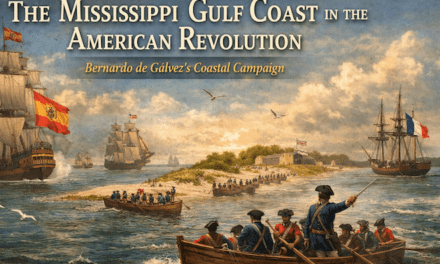
Yet this well-worn storyline leaves out a parallel war—one fought along the Gulf Coast and the Mississippi River—and an equally indispensable partner whose contributions were financial, logistical, and military. The story of Bernardo de Gálvez and the American Revolution reveals how Spain quietly shaped the conflict far beyond the Atlantic seaboard.
That partner was Spain, and at the center of Spain’s effort stood a young, audacious governor named Bernardo de Gálvez. From New Orleans to Mobile to Pensacola, Gálvez dismantled British power in the Gulf of Mexico. Just as important, Spain—working largely through Cuba, especially Havana—bankrolled much of the war effort that made American independence possible.
The American Revolution, properly understood, was not only a colonial rebellion. It was a global conflict, sustained by Hispanic money, Hispanic ports, and Hispanic soldiers long before Spain ever formally declared war.
The World the Revolution Entered
By the 1770s, the Atlantic world was dominated by rival empires. Britain, France, and Spain were locked in a long struggle for territory, trade routes, and prestige. Spain had lost Florida to Britain in 1763 at the end of the Seven Years’ War and was eager for revenge.
Yet Spain approached the American rebellion cautiously. Unlike France, Spain did not want to encourage colonial revolts that might inspire unrest in its own empire. Spanish leaders were sympathetic to weakening Britain—but wary of openly endorsing republican revolution.
This tension shaped Spain’s early involvement. Aid would come first in secret.
New Orleans: The Quiet Artery of Revolution
In 1777, Bernardo de Gálvez became acting governor of Spanish Louisiana, with its capital at New Orleans. Barely in his thirties, Gálvez inherited a territory that sat astride one of the most important waterways in North America: the Mississippi River.
That river was a strategic lifeline.
The Continental Army desperately needed gunpowder, muskets, uniforms, medicine, and cash. British naval dominance made Atlantic supply routes dangerous and unreliable. The Mississippi, however, offered a back door—if Spain allowed it.
Gálvez did more than allow it. He organized it.
Spanish merchants, often backed by government funds, shipped military supplies from New Orleans upriver to American forces in the Ohio Valley and beyond. These shipments were frequently disguised as commercial goods to preserve plausible deniability.
Among the most famous recipients was George Rogers Clark, whose western campaigns against British outposts depended heavily on Spanish gunpowder and lead. Without that support, Clark’s victories—and America’s claim to the Northwest Territory—would have been impossible.
Spain was not merely sympathetic. It was operationally committed.
The Financial Engine: Cuba and the Silver Lifeline
While New Orleans moved supplies, Cuba moved money.
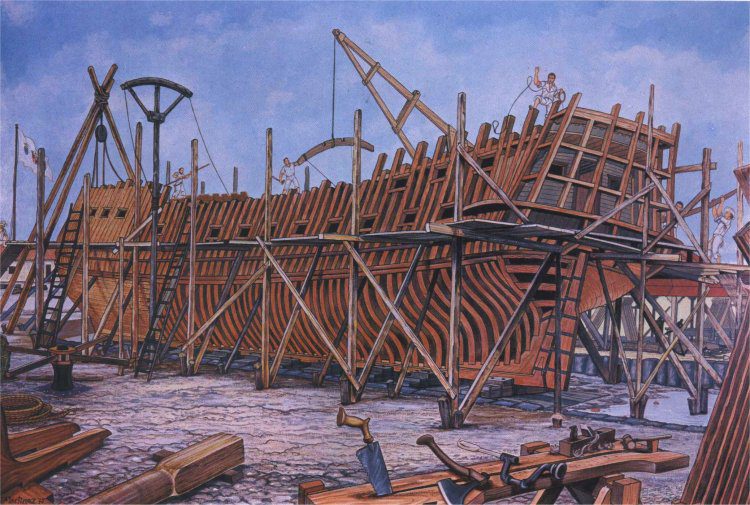
Havana was one of the most important cities in the Spanish Empire. It served as a naval hub, a shipbuilding center, and—critically—a financial clearinghouse for silver flowing from New Spain (modern Mexico).
Spanish America ran on silver, and Havana was where much of it was gathered, stored, and redistributed.
Financing a Revolution Without Saying So
Even before Spain formally entered the war, Cuban officials funneled large sums of money to support operations that indirectly aided the American cause. This included:
- Funding Spanish military preparations in Louisiana and Florida
- Supporting covert supply networks to American forces
- Paying for fortifications, ships, and troops that would later engage Britain
By the time Spain openly declared war in 1779, Cuba’s role expanded dramatically.
The Million-Peso Moment
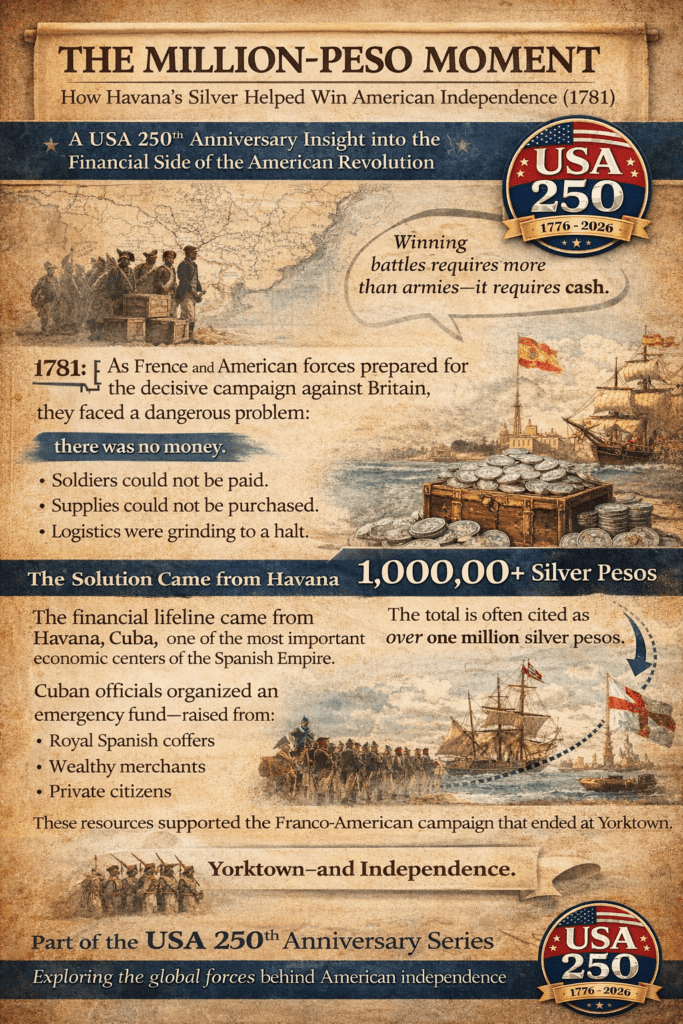
One of the most remarkable—and least known—financial episodes of the American Revolution occurred in 1781. As French and American forces prepared for the decisive campaign at Yorktown, they faced a severe cash shortage. Soldiers could not be paid. Supplies could not be secured.
The solution came from Havana.
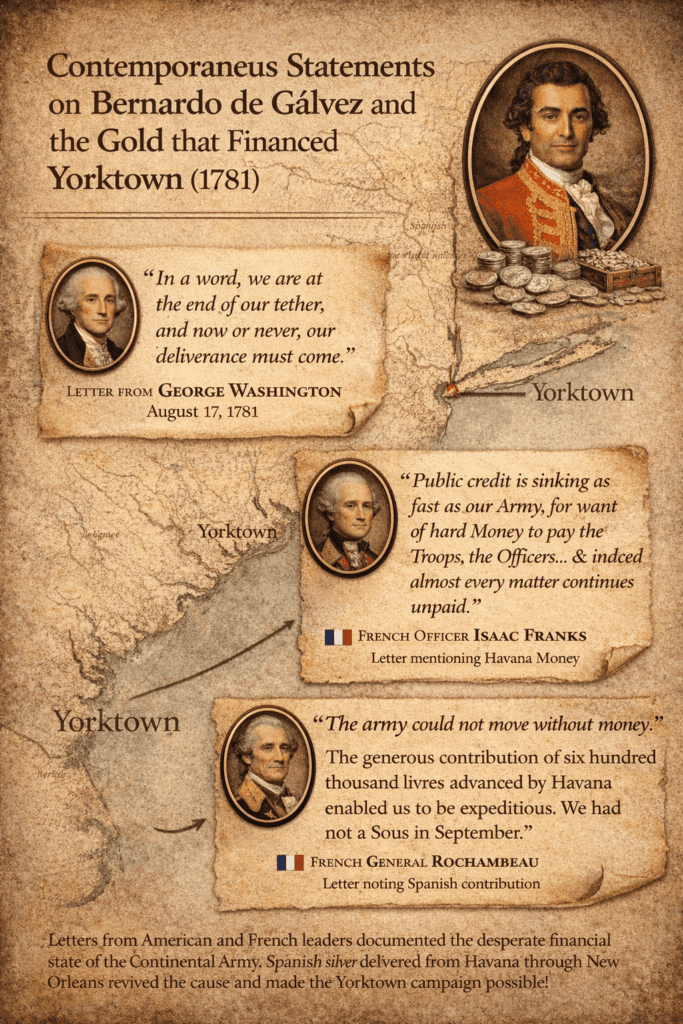
Cuban officials organized a massive emergency fund—often cited as over one million silver pesos—raised from royal coffers, merchants, and even private citizens. That silver was rushed to support the Franco-American campaign.
This money helped finance troop movements, logistics, and naval operations that culminated in the British surrender at Yorktown.
In short, Cuban silver helped pay for American independence.
Most Americans understandably think of the Revolutionary War as an East Coast conflict—and in many ways, it was. But as this article shows, the Gulf Coast played a meaningful supporting role in the fight for independence. From New Orleans to Havana, including what is now the Mississippi Gulf Coast, Spanish and British interests were actively engaged after 1776.
While few written records survive describing daily life in these Gulf Coast holdings, it is reasonable to speculate that military movement, trade, intelligence gathering, and preparation were part of everyday reality as the war unfolded.
As July 4, 2026 approaches, the 250th Anniversary of American independence offers a moment for reflection—and celebration—not just along the Eastern Seaboard, but across the Gulf Coast as well. It is my hope that this article gives local residents a broader understanding of their region’s place in Revolutionary history—and a little more to celebrate.
Spain Enters the War—At Full Speed
In June 1779, Spain formally declared war on Britain. Gálvez did not wait for elaborate instructions from Madrid. He moved immediately.
His objective was clear: eliminate British power along the Gulf Coast and reclaim Florida for Spain.
Baton Rouge: Speed and Surprise
Gálvez marched north from New Orleans with a diverse force that included:
- Spanish regular troops
- Louisiana Creoles
- Free Black militiamen
- German settlers
- Native American allies
In September 1779, he captured British forts at Manchac and Baton Rouge in a swift campaign that stunned British commanders. With Baton Rouge’s fall, Britain lost control of the Mississippi River.
The American rebels now had a secure western supply route.
Mobile Falls, Pressure Mounts
In 1780, Gálvez turned east toward Mobile, another British stronghold. Despite hurricanes, disease, and supply challenges, Spanish forces laid siege to Fort Charlotte. After weeks of bombardment, the fort surrendered.
British West Florida was collapsing.
Only one major base remained: Pensacola.
Pensacola: The Battle That Changed the South
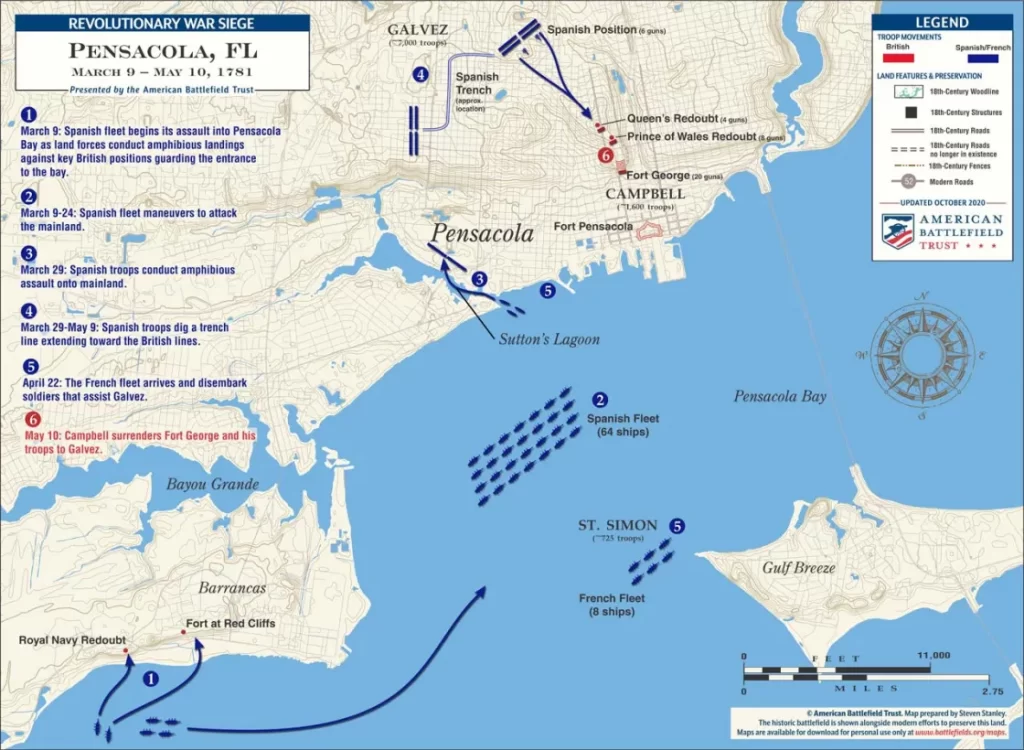
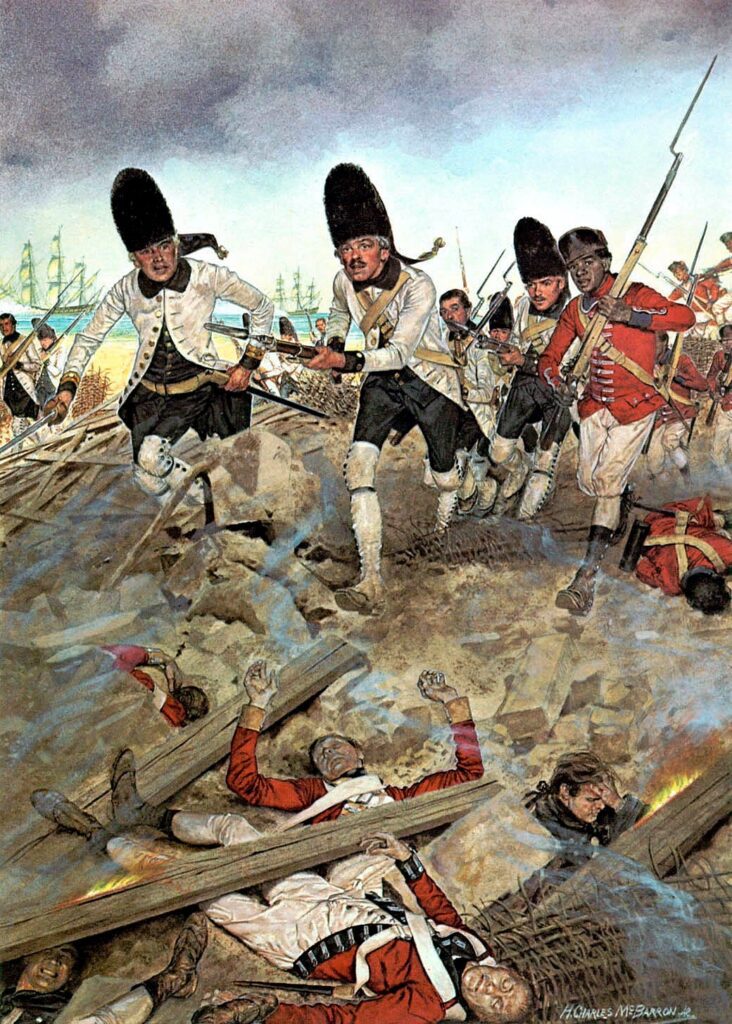
Pensacola was the crown jewel of British defenses in the Gulf. Heavily fortified and well supplied, it guarded the eastern approach to the Mississippi Valley and threatened Spanish Louisiana.
The siege would become Gálvez’s defining moment.
Disaster—and Decision
In 1781, as Spanish forces assembled, a hurricane scattered the fleet. Several ships were damaged or sunk. Spanish naval commanders hesitated to enter Pensacola Bay, fearing British guns.
Gálvez did not.
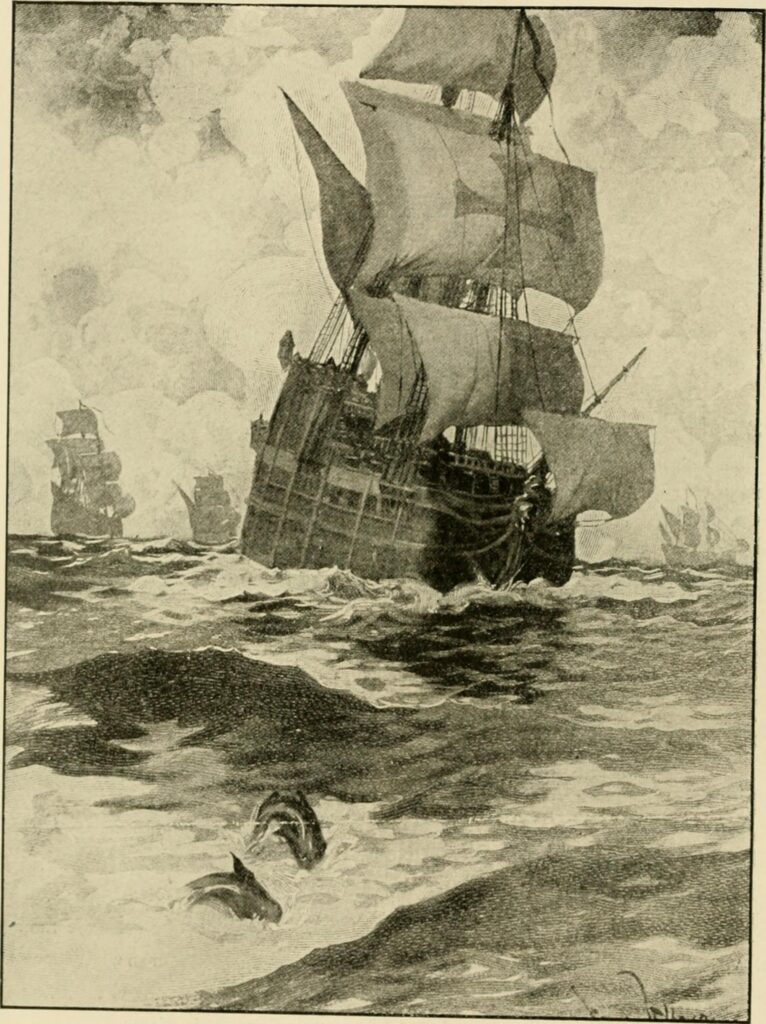
He boarded his flagship and sailed forward alone into the harbor, under enemy fire. His message was unmistakable: Yo solo—“I alone.”
Shamed and inspired, the rest of the fleet followed.
Victory Through Persistence
The siege dragged on for weeks. Then fate intervened. A Spanish artillery shell struck a British powder magazine inside Fort George. The resulting explosion devastated the defenses.
On May 10, 1781, Pensacola surrendered.
With that single victory:
- British power in the Gulf collapsed
- Spain regained Florida
- British troops were diverted from the Carolinas and Virginia
- The southern flank of the American colonies was secured
The road to Yorktown was now clear.
A Multiracial, Multinational Army
One of the most striking aspects of Gálvez’s campaigns was the diversity of his forces. Free Black soldiers, mixed-race militias, Native allies, and European regulars fought side by side.
This reality complicates the simplified image of the Revolutionary era.
Hispanic America was not merely funding the war—it was fighting it.
Why Spain’s Role Was Minimized
Given Spain’s immense contribution, why did its role fade from American memory?
Several reasons stand out:
- Spain Was Not Republican
The United States preferred to celebrate allies that fit its ideological narrative. A Catholic monarchy did not. - Geography
Battles in Florida and Louisiana felt distant from New England and the Mid-Atlantic. - Diplomacy After the War
Spain and the United States soon clashed over borders, navigation rights, and expansion.
History, however, does not disappear simply because it is inconvenient.
Recognition at Last
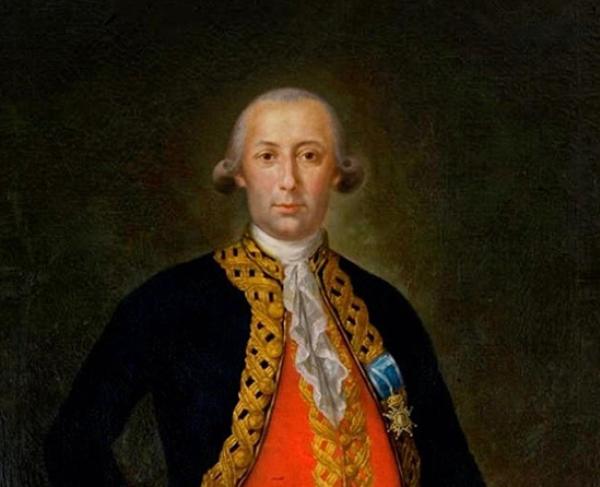
In 2014, the U.S. Congress granted Bernardo de Gálvez honorary American citizenship—an honor shared by fewer than ten individuals in history. His portrait now hangs in the U.S. Capitol.
It is a symbolic correction, long overdue.
Be it resolved by the Senate and House of Representatives of the United States of America in Congress assembled, that Bernardo de Gálvez y Madrid, Viscount of Galveston and Count of Gálvez, is hereby proclaimed, posthumously, to be an honorary citizen of the United States.
This recognition honors the critical assistance provided by Bernardo de Gálvez during the American Revolutionary War, including his leadership of Spanish forces against British positions along the Gulf Coast, his role in securing vital supply routes, and his contribution to the allied effort that helped achieve American independence.
Joint Resolution H.J. Res. 105
pursuant to Congressional authority
Rethinking the American Founding
Understanding Spain’s role—especially the financial power of Cuba and the military genius of Gálvez—reshapes the Revolution in profound ways:
- Independence was international, not isolated
- Money mattered as much as muskets, and much of that money came from Havana
- Hispanic America was present at the creation, materially and militarily
As the United States approaches its 250th anniversary, this broader perspective is essential. The Revolution was not won by one nation alone. It was sustained by rivers, ports, silver, and soldiers stretching from New Orleans to Havana to Mexico City.
Bernardo de Gálvez did not fight for American glory. He fought for Spanish interests—and in doing so, helped give birth to a new nation.
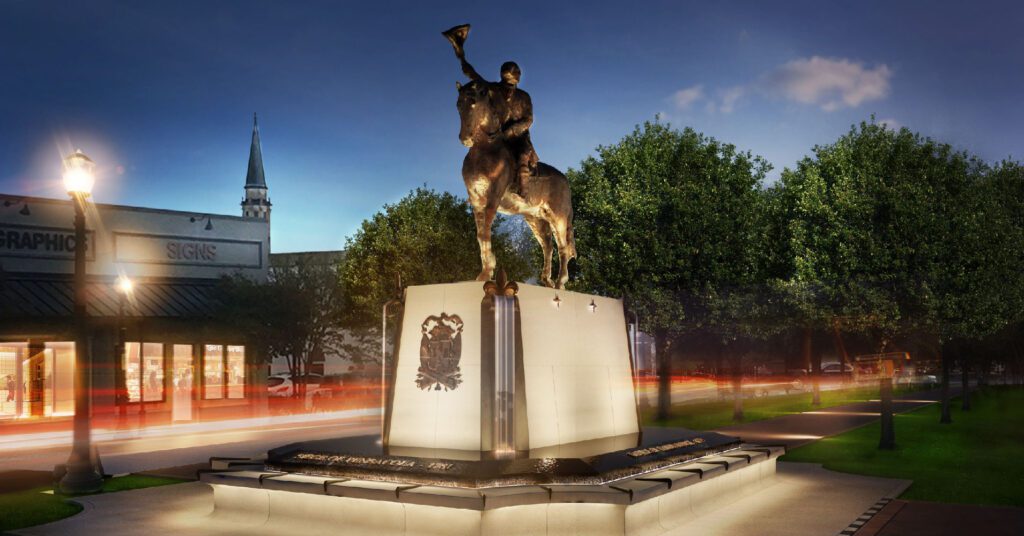
That makes Bernardo de Gálvez American during the Revolution, not just an ally of the Revolution, but one of its architects.
Explore More in Our USA 250th Anniversary Hub
As the United States approaches the 250th anniversary of the signing of the Declaration of Independence on July 4, 2026, history comes alive in new ways. Our America’s 250th Anniversary Hub brings together a rich collection of articles that explore the Revolutionary era from multiple angles — from global allies like Spain and Cuba to lesser-known battles, everyday life during the war, and compelling historical personalities you may not learn in school.
Whether you’re a history enthusiast, teacher, student, or Gulf Coast resident deepening your sense of place, the Hub offers in-depth storytelling and fresh perspectives that help you celebrate this landmark moment in America’s story.
Visit the USA 250th Anniversary HubResources
- National Park Service: Bernardo de Gálvez (Fort Matanzas National Monument) — concise overview of Gálvez and Spain’s Gulf Coast campaign
- Museum of the American Revolution: Bernardo de Gálvez (Read the Revolution) — biography + international context for Spain’s role
- American Revolution Institute (PDF): The Critical Role of Spain during the American Revolution — lecture paper on strategy, aims, and Gulf of Mexico operations
- Encyclopaedia Britannica: Bernardo de Gálvez — authoritative biography and summary of key actions
- American Battlefield Trust: Bernardo de Gálvez — accessible primer on his Gulf Coast victories and significance
- Not Even Past (UT Austin): Francisco de Saavedra and the Silver of Havana — focused explainer on Havana’s emergency funding and wartime finance
- Museum of the American Revolution: Spain and the American Revolution — broader overview of Spanish strategy and support
PODCAST
Discover more from RetireCoast.com
Subscribe to get the latest posts sent to your email.