
Last updated on December 5th, 2025 at 07:51 am
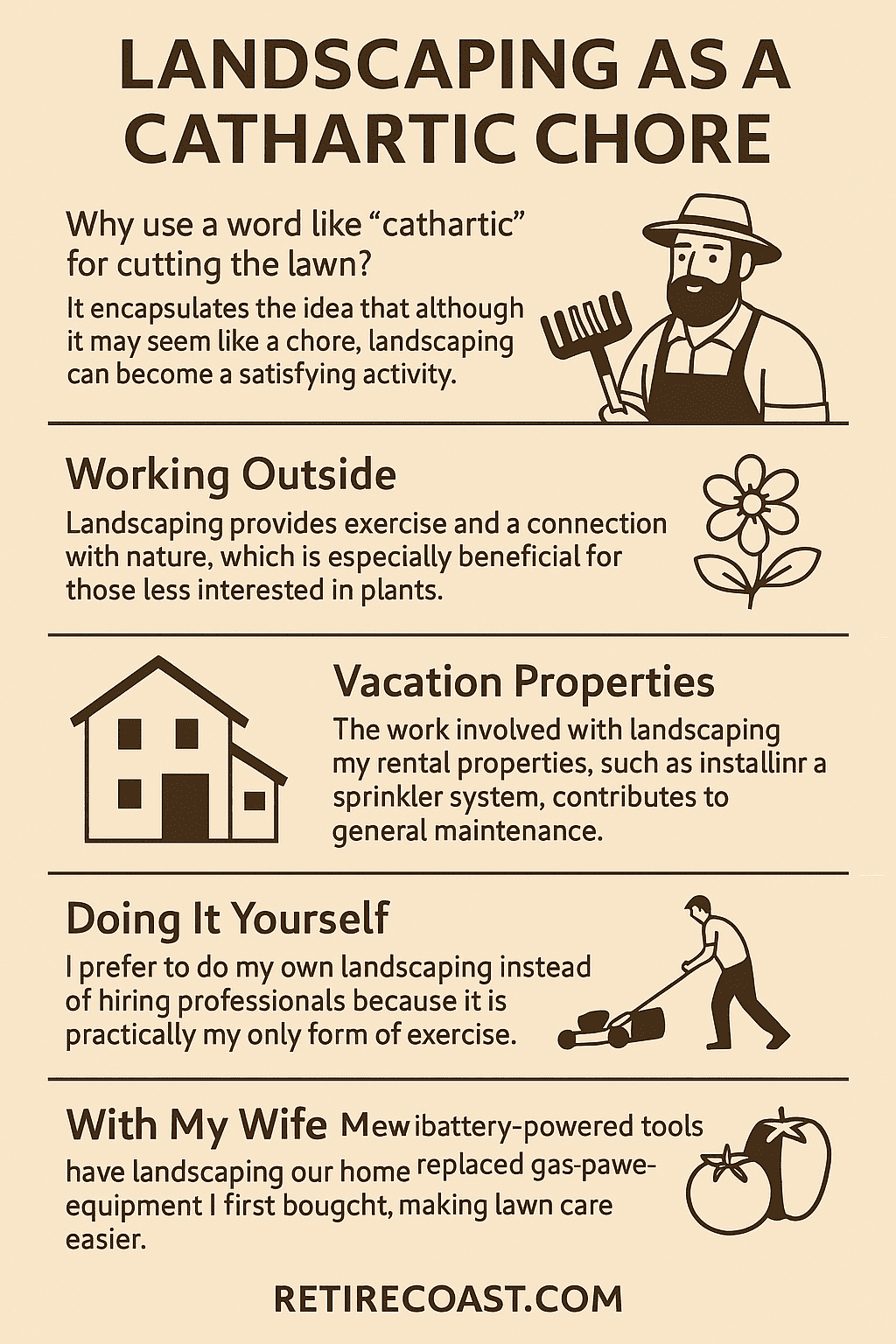
Why am I using a fancy word like cathartic to describe cutting the lawn? These days, everything seems to get a new label—so why not landscaping? For me, cathartic sums it up perfectly. Landscaping in retirement is more than just a chore—it’s stress relief, exercise, and a source of pride in your home.
Landscaping Through the Generations
One thing I’ve noticed is that fewer young people seem interested in gardening, lawns, or even feeding birds. Maybe it’s all the years spent in front of computer screens. For many, the joy of working outside doesn’t show up until their 40s and beyond.
I bought my first home at 23, right after leaving the Air Force. My dad taught me how to pull weeds, mow, prune, and even clean the gutters (a job I still hate). Back then, landscaping felt like work—not therapy. It took years before I realized the satisfaction that comes from maintaining your own yard.
Landscaping as Exercise and Stress Relief
Today, research shows what many of us have learned firsthand: physical activity outdoors reduces stress and improves health. Gardening and yard work are recognized as excellent low-impact exercise for older adults (Mayo Clinic – Gardening as Exercise).
Instead of seeing mowing or pruning as chores, think of them as built-in exercise sessions. Unlike hitting the gym, you get visible results—a greener lawn, blooming flowers, or fresh fruit trees. That’s instant gratification.
Start With Your Zone
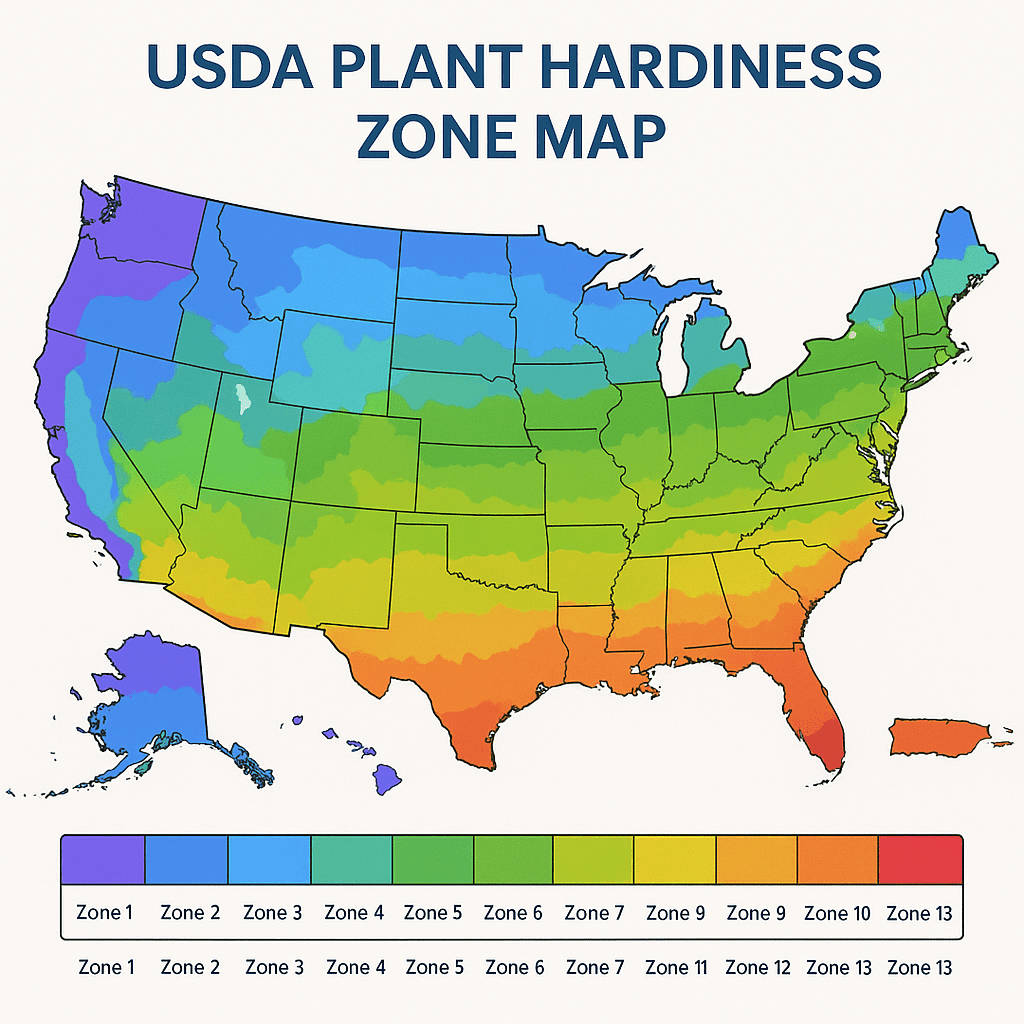
If you’re new to landscaping, the USDA Plant Hardiness Zone map is your first stop. Type in your ZIP code, and you’ll find out what plants, trees, and grasses thrive where you live (USDA Plant Hardiness Zone Map). This simple step saves time and money by preventing planting failures.
Every region has quirks: drought in California led me to xeriscaping with rocks and drip irrigation. On the Mississippi Gulf Coast, everything grows—sometimes too well. Knowing your environment makes all the difference.
Tools and Technology
Let’s be honest: half the fun of landscaping is the tools. Trips to Lowe’s or Home Depot often feel like mini-adventures. These days, battery-powered tools have changed the game. I stick with one brand so all my equipment uses the same batteries. It saves money and keeps me efficient.
Great leaps have been made in the creation of unique landscaping tools. When I bought my new home years ago, I purchased gasoline-fueled equipment to cut trees, edge, whack weeds, and trim bushes. I have since replaced all of that gas-powered equipment with battery-operated versions, which are much easier to use.
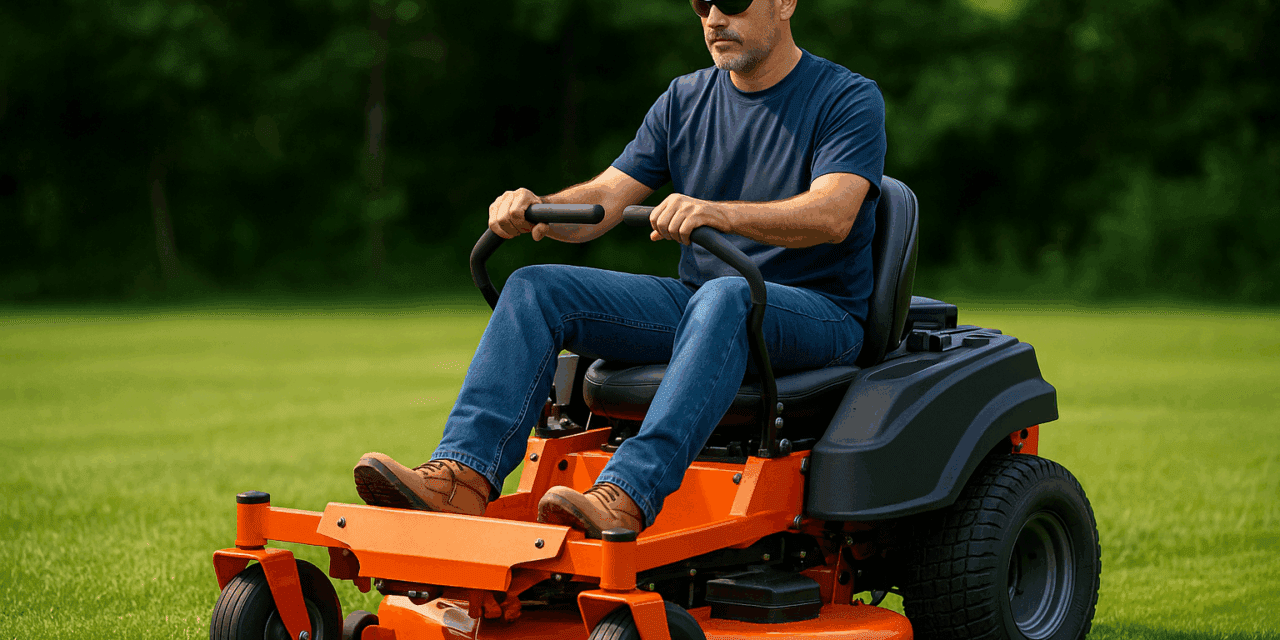
My zero-turn lawnmower is the exception—although I recently purchased an assisted push mower powered by batteries for hard-to-reach areas.
New technology has also brought great landscape lighting options. Low-voltage, battery, or solar-powered fixtures can highlight walkways, accent trees, or illuminate patios. These small touches improve both safety and curb appeal.
Technology helps too. Apps like Picture This identify plants and weeds instantly. That’s invaluable if, like me, you live on acres where nature tries to reclaim your yard daily.
If you want more detailed information on tools and tips for trimming trees and shrubs, check out our Best Tools & Tips for Trimming Trees & Shrubs article.
A Zero-Turn Moment
For years, I used a lawn tractor. It got the job done, but hitting hidden stumps bent the deck more times than I’d like to admit. Then a neighbor let me try his zero-turn mower. The speed, precision, and ease shocked me. Within a week, I had one too. My wife laughed, but she also noticed how much calmer (yes, cathartic) I was after mowing.
More Than Just Landscaping
Landscaping isn’t just about grass and plants—it’s about community. In our Ocean Springs neighborhood, neighbors share tools, mow each other’s lawns, and swap advice. It keeps us connected. If you have kids or grandkids, get them outside with a shovel. They’ll learn responsibility, get fresh air, and maybe discover that gardening can be fun. Some specialize in specific items such as Camelias or Azaleas, we wrote an article about this.
Landscaping as a Couple’s Activity
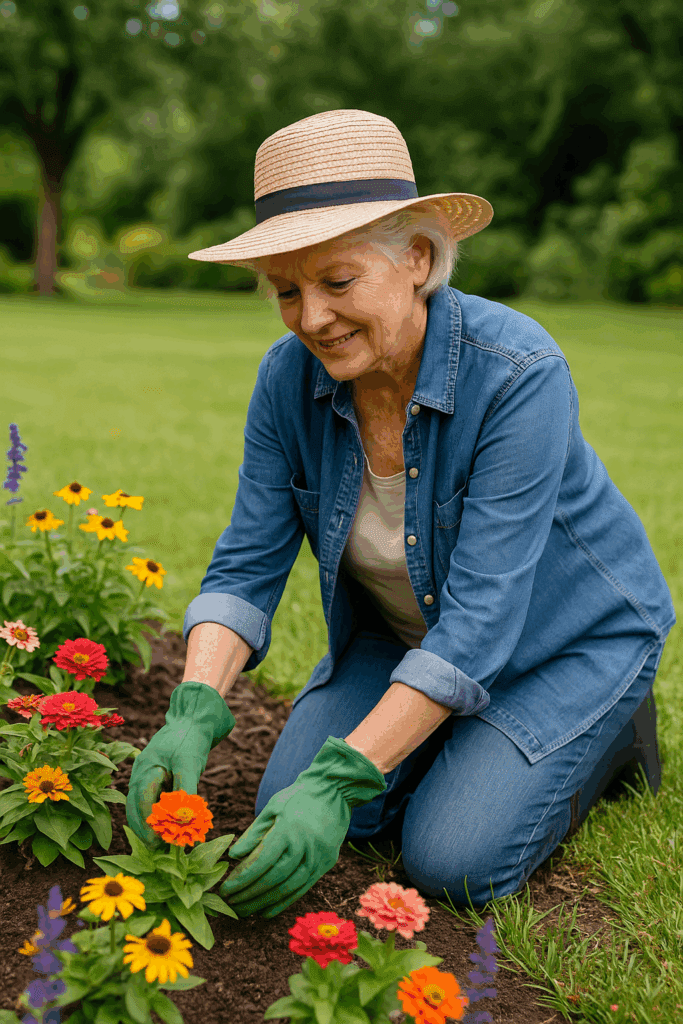
Landscaping is also an activity that a retired couple can do together. My wife and I—well, really more my wife—love to grow salad vegetables at our home. Every spring, we plant tomatoes, peppers, and other favorites. She goes out and waters and trims the plants every day.
It’s a valuable activity that not only gives us fresh vegetables to enjoy, it also gives us something rewarding to do without driving anywhere. We also grow fruit trees, which are my responsibility. I handle pruning and fertilizing them, while she tends to the vegetable garden. Together, it keeps us active, healthy, and connected to the land—and to each other.
Join a Local Garden Club
Join a local garden club if you’re interested in learning more about landscaping and meeting others who share your passion. I wrote an article about garden clubs on the Mississippi Gulf Coast that you may enjoy.
Garden clubs do amazing work maintaining local parks, beautifying public spaces, and organizing educational programs. They’re also social gatherings where you can swap tips, learn from experienced gardeners, and make new friends. For retirees, this can be a great way to combine landscaping, community involvement, and fellowship.
Landscaping as Everyday Exercise
A few days ago, I met a man at a restaurant who asked me about cutting my lawn. I told him that working around my home was almost the only exercise I get. Unlike many of my neighbors who hire professionals, I choose to do my own landscaping. For me, it’s not just about saving money—it’s about staying active and enjoying the satisfaction of maintaining my own property.
Landscaping for Vacation Rentals
I also own vacation rental properties, and landscaping is an important part of keeping them attractive for guests. A couple of years ago, I installed a sprinkler system at one of the properties. It was some work, but now the grass stays green even when it doesn’t rain.
I consider this type of project to be part of general landscaping—an investment that pays off by making the property more welcoming and reducing maintenance headaches.
Turning Landscaping Into a Retirement Business
Some people want to start a business after retirement, and landscaping is an excellent option. It can be a natural extension of your passion for working on your own property. If you enjoy designing yards, mowing lawns, or planting trees, you may find success offering your services to neighbors, friends, and others in your community.
If you’re considering this, our guide The Ultimate Guide to Starting a Business After Retirement offers step-by-step help. Also, for Gen-Xers (or anyone planning their “second act”), check out Best Gen-X Playbook for Building Your Second-Act Business to get ideas and structure.
The important thing is passion—if you truly enjoy landscaping, turning it into a small business can provide both extra income and the satisfaction of doing what you love.
Why Landscaping Matters for Homeowners and Retirees
For retirees especially, landscaping has double benefits:
- Health: It’s low-cost exercise that promotes flexibility and balance.
- Home Value: A well-kept yard adds curb appeal, which matters if you’re planning to downsize or sell later.
- Lifestyle: Sitting on your patio and admiring the results of your work brings daily satisfaction.
Closing Thoughts
Landscaping may start as a chore, but with the right mindset, tools, and a little curiosity, it becomes truly cathartic. You’ll feel healthier, your property will look better, and you’ll enjoy a sense of accomplishment that few indoor tasks can match.
So grab a mower, a shovel, or just a kneeling pad, and get started. Who knows—you may find that mowing the lawn is the most relaxing part of your week. And if you’re really passionate, it might just be the beginning of your next great business venture.
Landscaping in Retirement: Frequently Asked Questions
1) Why do you call landscaping “cathartic”?
2) Is landscaping good exercise for retirees?
3) How do I know what plants or grass will thrive where I live?
4) Battery tools vs. gas tools—what should I choose?
5) What’s the advantage of a zero-turn mower over a lawn tractor?
6) Should I install a sprinkler/irrigation system?
7) How can landscaping help my vacation rental?
8) Any quick upgrades beyond plants and grass?
9) Can I turn my landscaping hobby into a retirement business?
10) What core tools do I really need to start?
Discover more from RetireCoast.com
Subscribe to get the latest posts sent to your email.








Thank you for the positive angle on what often times feels like a chore. I’m curious, what do you do to treat your weeds? It seems half the time keeping your yard nice is keeping the weeds out.
Most weeds are next to flowers so you have to pull them. My new gadget works well around flowers to pull weeds but some times you get down on hands and knees and pull those ones that grow near the stem. I forget to mention that sometimes you can get exercise from gardening.
I do not understand your comment
Thank you. I appreciate your comments.
I agree, so do I.