
Last updated on November 27th, 2025 at 12:52 pm
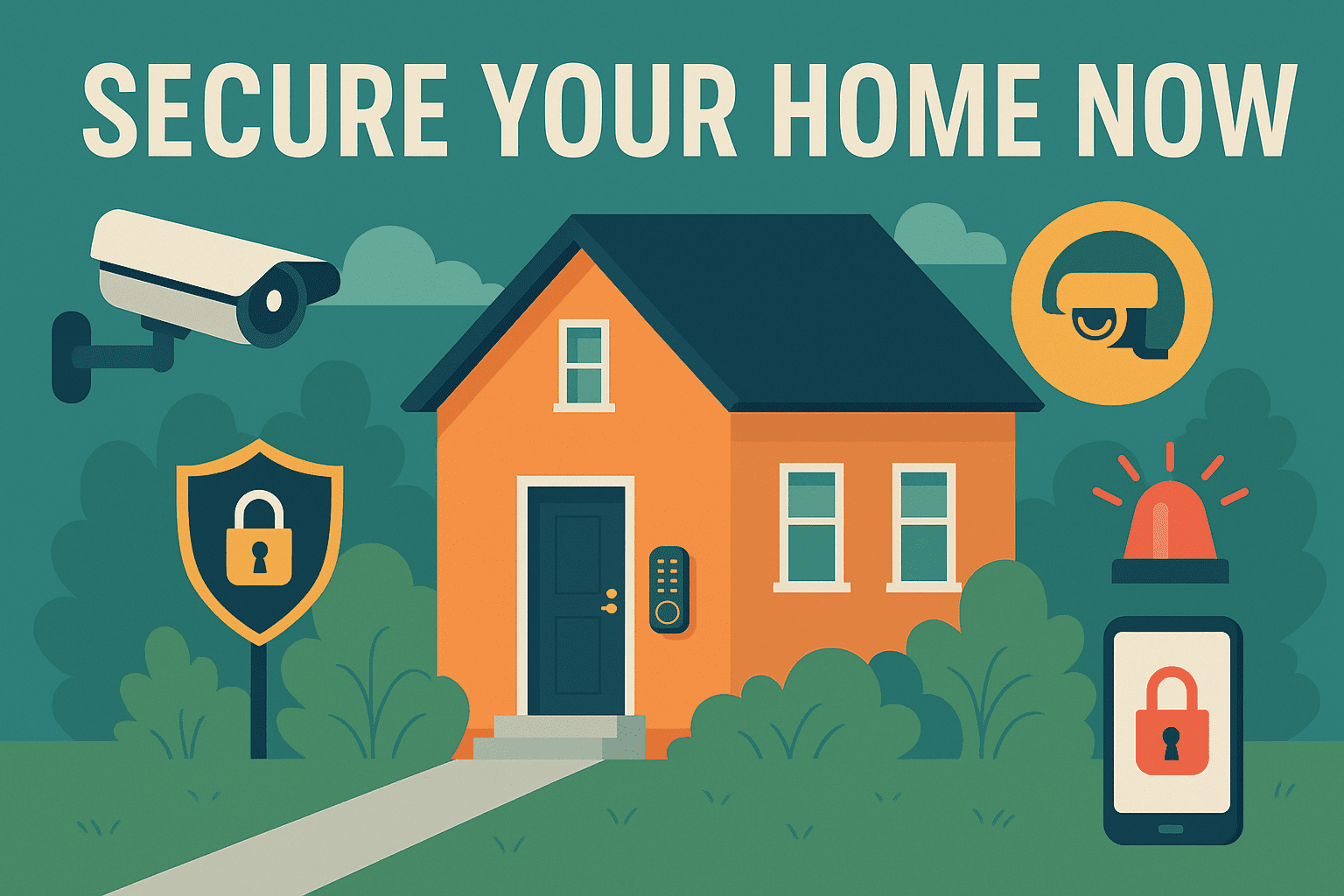
Your home should be a place of comfort, safety, and peace. Yet in today’s world, security concerns are on the rise. Property crimes, vehicle break-ins, porch piracy, and even organized theft rings have made homeowners more aware than ever that security isn’t a luxury — it’s a necessity.
While national alarm companies can sell you monitoring packages, securing your home goes far beyond paying for an alarm system. The real key is prevention: making your home a place criminals don’t want to approach in the first place.
This article is a comprehensive, practical guide to help you secure your home now — with strategies you can apply today, whether you live in a city apartment, a suburban neighborhood, or a rural property.
Why a Little Paranoia Is Healthy
Many people hesitate to think about security because they don’t want to feel paranoid. But the truth is: a cautious mindset keeps you prepared.
Criminals often seek the easiest target. A house with poor lighting, no visible cameras, and a sense of being unoccupied is far more likely to be hit than one that looks secure and “watched.”
Think of it this way: being a little paranoid about home safety is no different from wearing a seatbelt. You hope you never need it — but when something happens, you’ll be thankful you took that precaution.
The first priority is your family’s safety. Protecting your belongings comes second. The peace of mind from knowing you’ve reduced your risks is priceless.
Reducing Anxiety Through Action
If you worry about home security at night, you’re not alone. Many homeowners report that theft anxiety is highest when lying in bed or traveling away from home.
Taking concrete action relieves that stress. Installing better lighting, setting up cameras, or reinforcing entry points creates a sense of control.
The cost of improving security is often lower than people expect. Basic smart cameras can cost under $50, motion-sensor floodlights under $30, and DIY alarm kits under $200. Insurance discounts for having security systems can also help offset costs.
Even if you live in what you consider a “safe” neighborhood, crime has a way of spreading outward. We’ve seen suburban areas once considered crime-free experience car break-ins, package thefts, and even organized home invasions. No place is immune.
Prevention: The First and Best Line of Defense
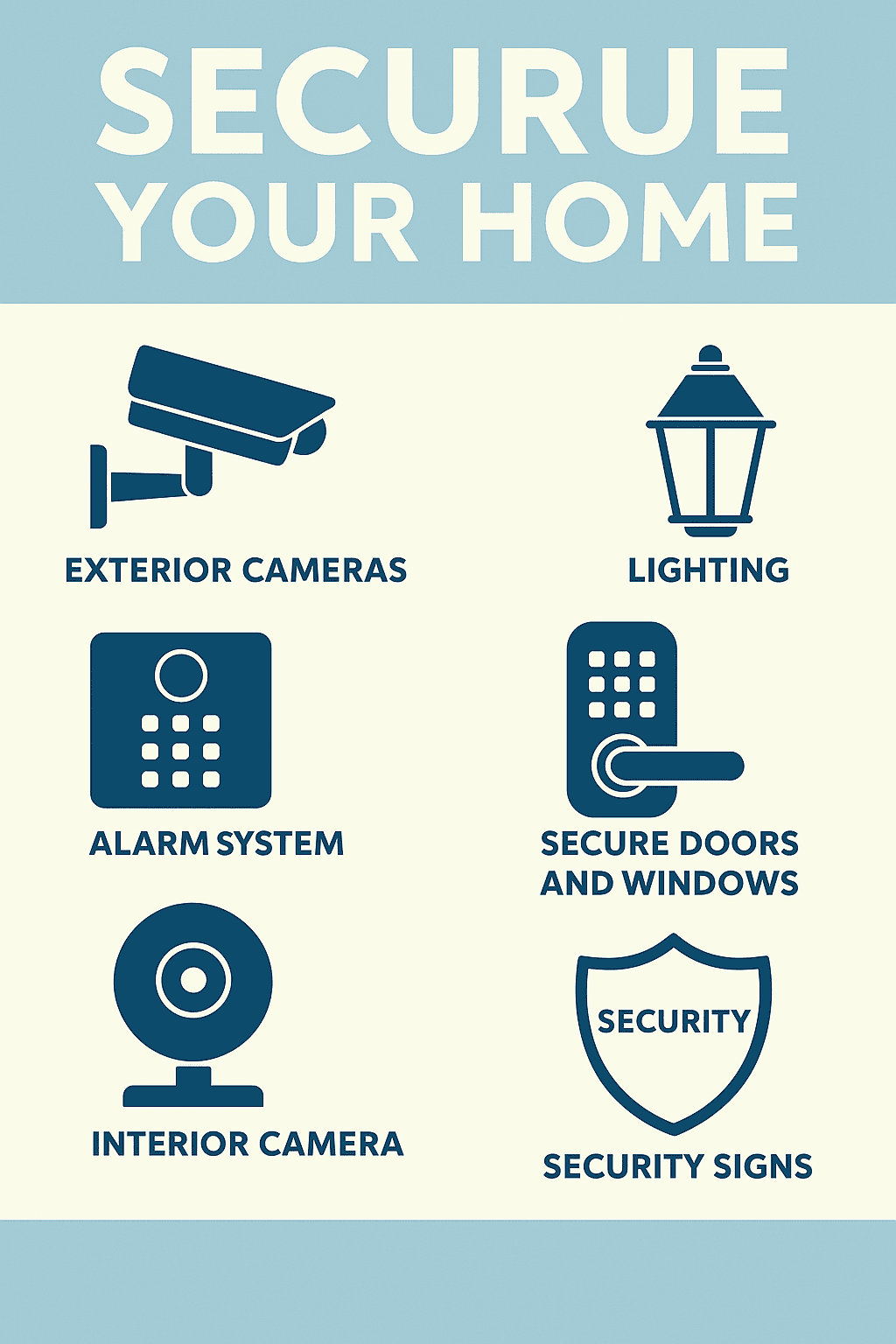
The police do excellent work, but they usually arrive after a crime has occurred. That means your focus must be on prevention:
- Make your home less attractive to criminals.
- Layer your defenses (lighting, cameras, locks, community support).
- Reduce opportunities for easy theft.
Think of prevention as stacking the odds in your favor. A criminal who sees your motion-activated lights, cameras, and secure locks is far more likely to move on to another target.
Exterior Security: Where Protection Begins
Lighting
Criminals hate being seen. That’s why lighting is your first layer of defense.
- Motion-activated floodlights: Ideal for backyards, side yards, and garages.
- Dusk-to-dawn LED lights: Keep entryways illuminated all night with low energy cost.
- Solar-powered lights: Perfect for fences, sheds, or driveways where wiring is difficult.
When installing lights, make sure they don’t shine directly into neighbors’ windows. Use angled fixtures to brighten dark corners without creating tension.
Pro tip: Position lights to also cover vehicles parked outside — a common theft target.
Work with Your Neighbors
Security improves dramatically when neighbors work together. Consider:
- Coordinating lighting around property boundaries.
- Sharing information about suspicious activity.
- Setting up a neighborhood text group or using apps like Nextdoor or Facebook Neighborhoods.
Some communities even pool resources for better street lighting or hire private security patrols. The stronger your neighborhood network, the lower your risk.
In my neighborhood on the Mississippi Gulf Coast, we have a neighborhood watch. It’s an informal situation because we either know each other by conversation or by sight. This is a reason why so many people retire on the Mississippi Gulf Coast. Read one of our several articles on this topic here
More about neighbors later in this article.
Using Sound to Deter
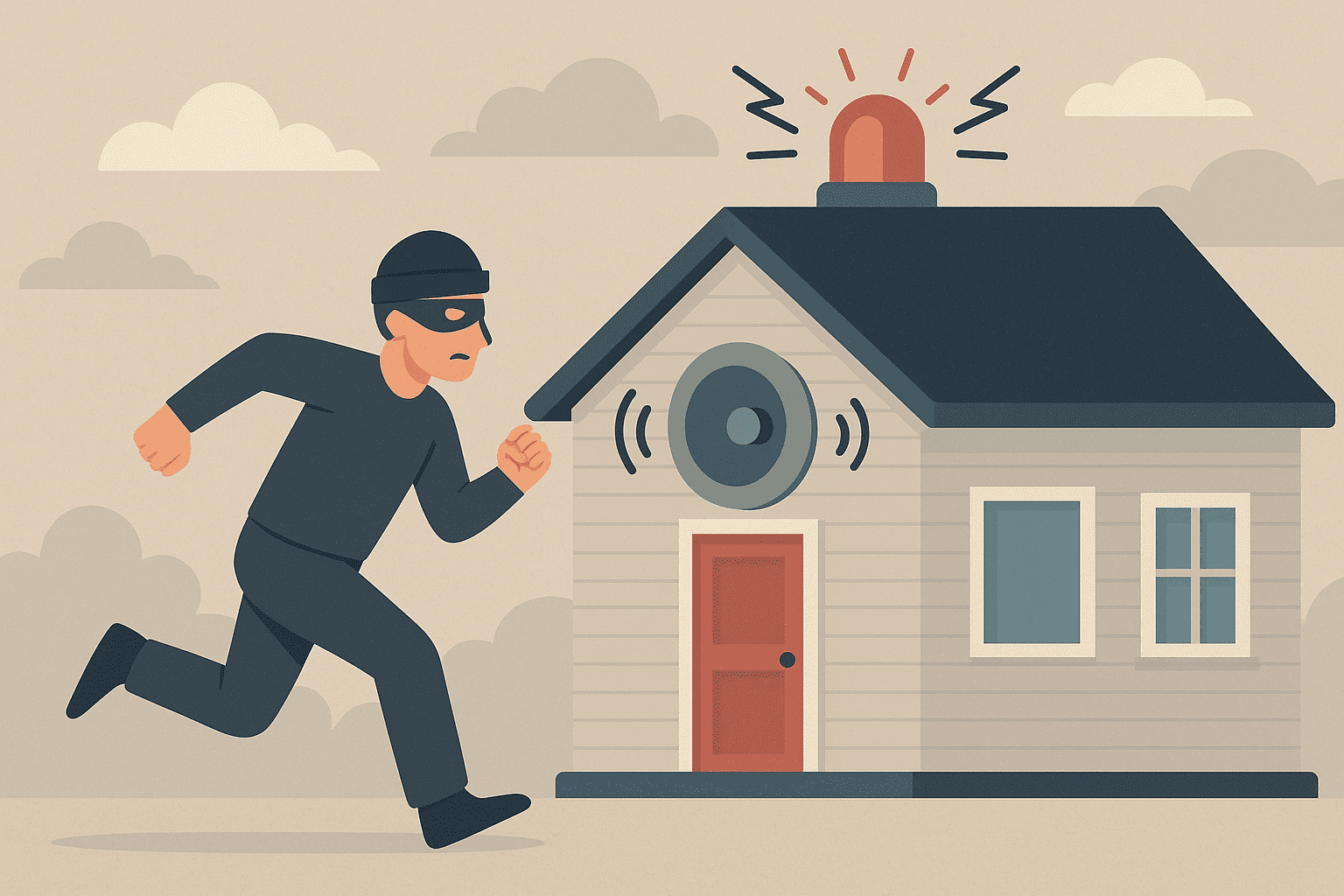
Sound is another powerful deterrent. Many modern devices combine lights, cameras, and two-way audio. This allows you to:
- Speak directly to a suspicious person (“You’re on camera. The police have been notified.”).
- Trigger a siren or alarm remotely.
- Scare off trespassers before they enter your home.
For larger properties, consider installing stand-alone sirens in multiple locations. Criminals often flee when they hear loud alarms.
Interior Security: Protecting What Matters Most
Intruder Detection Systems
An intruder detection system is the backbone of your interior home security. In the past, these systems required professional installation, invasive wiring, and expensive monthly monitoring contracts. Today, you have far more flexible options, including systems you can self-install and even self-monitor at little or no ongoing cost.
Professional vs. Self-Monitoring
- Professional monitoring means a monitoring center is contacted when your alarm is triggered. They then call you and, if necessary, dispatch local authorities.
- Self-monitoring gives you direct notifications on your smartphone without a monitoring center in the middle. You see the alert and decide whether to call the police. The savings are significant, but it also means the responsibility rests with you.
SimpliSafe: The Best Zero-Cost Self-Monitoring Option
If you want to monitor your own property without paying a monthly fee, SimpliSafe is one of the only major vendors that allows you to do this. After buying the kit, you can opt into their self-monitoring plan at zero cost. Here’s what that means:
- You’ll receive instant notifications on your mobile phone if a sensor detects entry.
- Cameras remain active, allowing you to view live footage and recorded clips.
- You can immediately call the police yourself if needed — saving money while staying in control.
I use SimpliSafe at one of my own properties, and it has worked reliably. The app is intuitive, the equipment is solid, and I like the independence of not having to pay a recurring monthly fee. For many homeowners, especially those confident in handling emergencies, this can be the ideal balance between affordability and protection.
One caveat: while some insurance companies do offer a small discount for having a self-monitored system, in my experience the reduction in premium only offsets a portion of the equipment or monitoring cost. Don’t expect the system to “pay for itself” through insurance savings.
Ring: Cameras and Alarms with Built-In Self-Monitoring
Another excellent choice for self-monitoring is the Ring Alarm system, which integrates seamlessly with Ring cameras and video doorbells. With Ring:
- You get live alerts and camera views directly to your phone.
- The system is DIY-friendly and works well for both homes and RVs.
- Self-monitoring is built in, so you don’t need to pay for basic alerts and video access.
Ring also offers a professional monitoring subscription if you prefer the added safety net, but many homeowners are comfortable with its self-monitoring features alone.
Hybrid Models: Self-Monitoring + Optional Professional Monitoring
Some companies offer a hybrid approach, letting you start with self-monitoring but upgrade when needed:
- ADT Self-Setup: Provides alerts and self-monitoring out of the box, with the option to switch into a professional plan if you want dispatch and 24/7 support.
- Cove and similar brands: Often allow month-to-month monitoring, so you aren’t locked into long contracts.
These hybrids give you flexibility. If you’re home often, self-monitoring may be enough. If you travel frequently or want added peace of mind, you can switch on professional monitoring for a few months at a time.
Interior Cameras
Interior cameras are one of the most versatile tools you can add to your home security plan. They serve multiple purposes beyond simply recording break-ins:
- Check inside your home when you’re away. A quick glance at your phone can confirm that everything looks normal.
- Monitor pets and children. Whether it’s making sure the dog isn’t chewing on the couch or confirming the kids got home from school, cameras provide reassurance.
- Look in on older relatives. Cameras can be invaluable for keeping an eye on elderly parents or grandparents, offering peace of mind without being intrusive.
Many modern interior cameras include motion detection so you’ll be alerted if movement occurs when nobody is supposed to be home. Others can be set to stay on or off at your command, easily controlled via your mobile phone.
Features worth considering:
- Two-way audio allows you to speak through the camera.
- Night vision ensures visibility in complete darkness.
- Cloud or local storage gives you options for saving recordings, depending on privacy preferences.
Top 5 Uses for Interior Cameras
- Check inside your home when you’re away — get peace of mind instantly from your phone.
- Monitor pets — see what your dog or cat is up to while you’re gone.
- Keep an eye on children — confirm they arrived home safely or are following routines.
- Support older relatives — discreetly check on elderly family members’ well-being.
- Record suspicious activity — provide valuable evidence for police or insurance claims.
Many cameras include motion detection and two-way audio, so you can interact in real time and get alerts when unexpected movement happens.
Electronic Entry and Smart Locks
Traditional keys can be lost, stolen, or copied. Smart locks eliminate many of those risks while adding convenience.
Advantages include:
- Custom access codes for family, housekeepers, or contractors.
- Remote control to lock or unlock doors from your phone.
- Activity logs to see who enters and when.
Always choose a smart lock that still includes a physical key backup for emergencies.
Panic Buttons
Panic buttons are small but powerful. Placed in bedrooms or living areas, they allow you to:
- Trigger a siren instantly.
- Send alerts to your monitoring service.
- Deter intruders during an active event.
Many integrate with Alexa or SmartThings, allowing for voice-activated panic responses.
Insurance: Last Resort, Not First Line
Insurance is vital, but it should be your backup plan — not your first response. Every claim you file affects your premiums.
Use insurance only for significant losses. Minor thefts may be cheaper to absorb out-of-pocket rather than risk higher rates long-term.
That said, maintaining a well-documented security system strengthens your insurance claims and may qualify you for premium discounts.
Vehicle Safety
Vehicles are one of the most common targets for theft because they’re often left outside, unattended, and packed with items criminals can resell. Protecting your car should be a key part of your overall home security plan.
Basic Vehicle Security Tips:
- Always lock your car, even if you’re stepping away for just a few minutes. A surprising number of thefts happen because vehicles are left unlocked in driveways or parking lots.
- Be aware of your surroundings. Before entering your car, take a quick look around. Carjackers often take advantage of distracted drivers. The same goes for when you’re exiting your vehicle — don’t let your guard down.
- Never leave anything visible in your car that might tempt a thief. Even something that seems minor, like a shopping bag or old electronics, can lead to a break-in.
- Repairing broken windows is expensive. The cost of replacing glass plus dealing with potential body damage can run into hundreds of dollars — and filing an insurance claim may raise your rates long-term.
- Most thefts from cars are opportunistic. Thieves will break a window to grab anything that looks resellable.
Lighting is your friend: Park vehicles under motion-activated lights or near bright exterior fixtures.<!– RetireCoast: Top 10 Car Security Tips
Top 10 Car Security Tips
- Always lock your doors — even if you’re stepping away for a minute.
- Be alert to your surroundings before entering or exiting your vehicle.
- Never leave valuables in plain sight (bags, electronics, tools, even spare change).
- Park in well-lit areas or under motion-activated security lights.
- Keep windows fully closed — cracked windows are easy entry points.
- Use a steering-wheel lock as a visible deterrent.
- Install a dash cam to record suspicious activity and provide evidence.
- Engage your car alarm if equipped; consider an aftermarket alarm if not.
- Remove garage remotes and anything that could give access to your home.
- Don’t leave the vehicle running unattended — thieves act in seconds.
Most car thefts are opportunistic. A few simple precautions drastically reduce your risk.
Learn how home security systems can lower insurance premiums
Seniors
Home security is especially important for seniors, particularly those with mobility issues or health conditions that make it difficult to move quickly. A secure home not only protects against intruders but also reduces stress for seniors and their families. “Read more about Essential Smart Home Tech for Seniors: Safety Made Simple home automation for seniors here.”
Challenges Seniors Face:
- Difficulty answering the door promptly can increase vulnerability.
- Physical limitations that make it harder to check locks, windows, or alarms.
- Higher risk of being targeted by scammers or opportunistic criminals.
Smart Security Solutions for Seniors:
- Cameras with live feeds that project onto a TV, iPad, or smartphone.
- Two-way communication to speak directly with visitors without unlocking.
- Electronic locks controlled remotely by adult children or caregivers.
- Voice-activated devices (Alexa, Google Home) for easy arming/disarming.
Peace of Mind for Families:
Adult children often want to check on their parents without being intrusive. With proper permissions, they can:
- Access security cameras remotely to verify safety.
- Receive alerts if sensors are triggered.
- Remotely lock doors or activate alarms if needed.
Senior Home Security Essentials
- Use cameras with live feeds — display on a TV, tablet, or phone for quick checks without moving to the door.
- Enable two-way communication — talk to visitors safely before unlocking.
- Install smart locks — adult children or caregivers can unlock doors remotely in an emergency.
- Leverage voice assistants — arm or disarm systems hands-free using Alexa or Google Home.
- Share access with family — allow trusted relatives to monitor cameras and receive alerts for peace of mind.
A layered security setup helps seniors maintain independence while ensuring family members can step in when needed.
⚠️ This article does not provide medical advice. It is intended for informational purposes only and should not replace guidance from healthcare professionals.
Read more tips from the National Crime Prevention Council
Home Protection: Firearms
In some households, firearms are considered an additional layer of home protection. In states where ownership is permitted, they can serve as a deterrent and even stop an intruder when seconds matter.
There are well-documented cases where armed homeowners successfully discouraged or drove off intruders. For many, owning a firearm for self-defense is viewed as both a constitutional right and a source of comfort. They recognize that the minutes between a home invasion and the arrival of police can make a critical difference.
That said, firearms also come with serious responsibilities and risks:
- Children in the home: Requires strict safety measures like safes and trigger locks.
- Training and preparedness: Proper use and maintenance are essential.
- Legal considerations: Laws vary widely by state and locality.
- Escalation risks: Firearms may escalate a confrontation rather than end it.
Firearms: Pros and Cons for Home Protection
✅ Potential Benefits
- Can deter intruders when seconds matter
- Provides a sense of security for some homeowners
- Viewed as a constitutional right by many
- May bridge the gap before police arrive
- Well-documented cases of invasions being stopped
⚠️ Potential Risks
- Increased danger if children are present
- Requires training to use safely and responsibly
- Legal restrictions vary by state and locality
- May escalate confrontations instead of diffusing them
- Improper storage can lead to accidents or theft
If you choose to own a firearm for home defense, invest in proper training and secure storage. Laws differ widely, so always check your local regulations.
⚖️ This article does not provide legal advice nor does it advocate for or against ownership of firearms.
See FBI statistics on burglary and property crime
Community Security: Strength in Numbers
No matter how many devices you install, community is your strongest protection.
- Join or start a Neighborhood Watch program.
- Use local social networks to report suspicious activity quickly.
- Share camera footage with neighbors when porch piracy or vandalism occurs.
Communities that communicate reduce crime. Criminals notice when residents watch out for one another.
What to Do After a Break-In
- Do not enter the house — the intruder may still be inside.
- Call 911 immediately and report what you observed.
- Wait for police to clear the scene before going inside.
- Do not touch anything until officers complete their work.
- Document the damage with photos for your records.
- Contact your insurance company with police reports and photos.
- Re-secure your home — replace locks, repair windows, and review your security plan.
If you have smart cameras or sensors, check the footage remotely before entering. You may capture evidence to share directly with police.
Neighbors
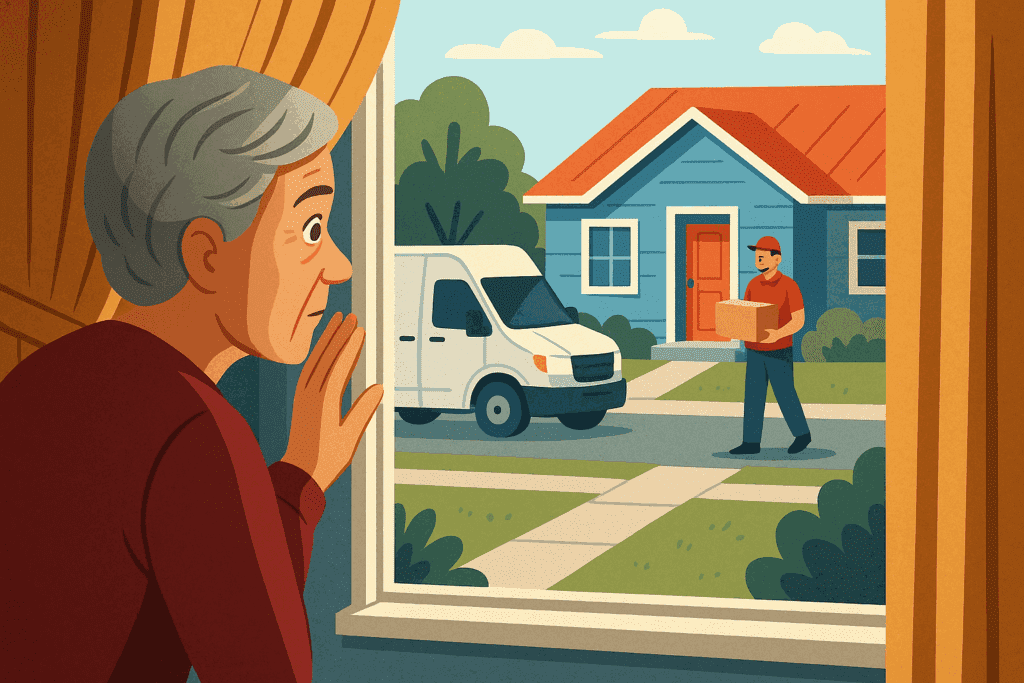
Believe it or not, your neighbors are one of your first lines of defense against people who might try to harm you, your family, or your property. Criminals dislike attention — and “nosey neighbors” are their bane.
Why Neighbors Matter:
- Criminals prefer to operate unnoticed. A close-knit street where people look out for each other is far less attractive to thieves.
- Having neighbors who know your routines and your property makes it easier for them to spot something unusual.
- Even a simple action like a neighbor walking their dog can act as an extra set of eyes and a deterrent.
Build Relationships:
- Make friends with your close neighbors at the very least. A friendly introduction and ongoing communication go a long way.
- Visit them, share contact numbers, and let them know when you’ll be away for extended periods.
- Encourage them to do the same — mutual awareness builds a stronger neighborhood.
Personal Example:
When I purchased my home on the Mississippi Gulf Coast several years before moving there, I relied heavily on neighbors to keep an eye on the property. I would call them periodically, and they would call me if something seemed out of place. One even mowed my lawn. Having those relationships in place was a huge relief — and it reminded me that great neighbors can be as effective a deterrent as any camera or alarm.
💡 Tip: Neighborhood Watch programs work because neighbors are willing to be involved. Don’t underestimate the power of a community that looks out for each other.
Why Neighbors Matter
- Extra eyes & ears: Criminals avoid streets where people pay attention.
- Familiarity detects anomalies: Neighbors who know your routines spot what’s “off.”
- Mutual support: Walk-bys, package pickups, and lawn care signal an occupied home.
- Travel backup: Share contact info and trip dates so they can watch your home.
- Community culture: Friendly, connected blocks are less attractive to thieves.
Start a simple text thread or join a Neighborhood Watch. A quick “heads up” culture can deter would-be criminals more effectively than hardware alone.
If You Arrive Home and Discover a Break-In
Despite your best efforts, it’s still possible that your home could be targeted. If you arrive home and suspect or discover a break-in, follow these steps:
- Do not enter the house. The intruder may still be inside. Stay outside in a safe place.
- Call 911 immediately. Report the situation before doing anything else. Provide your location and what you observed.
- Wait for the police. Do not attempt to go inside until law enforcement clears the scene.
- Do not touch anything. Once police arrive, they may want to dust for fingerprints or collect evidence. Disturbing the scene could compromise their investigation.
- Document the damage. After the police give you clearance, take photos of entry points, damage, and missing items for insurance claims.
- Contact your insurance company. File a claim if the loss is significant. Keep all records from law enforcement and your own documentation.
- Re-secure your home. Replace locks, repair broken windows or doors, and review your security plan to prevent future incidents.
💡 Tip: If you use smart cameras or sensors, check the footage remotely before entering. You may be able to confirm whether the intruder has already left and provide evidence directly to the police.
Business Opportunities in Home Security
Our complete series on Starting a Business After Retirement can include starting a business that helps people set up home security. Not just an alarm system, but all of the other things discussed here. Check out our Overcoming Fear-Mindset Challenges Starting a Business After Retirement Now!
Final Thoughts: Secure Your Home Now
Home security isn’t one gadget, one alarm, or one service. It’s a layered system:
- Lights deter criminals.
- Cameras provide evidence.
- Smart locks and alarms protect entry points.
- Neighbors provide an added shield.
The goal isn’t just to protect your “stuff.” It’s to safeguard your family and preserve peace of mind.
Don’t wait until after something happens. Secure your home now. Even one or two small changes can dramatically reduce your risks.If you decide to acquire an item, click on it. Thanks again.
Secure Your Home: Frequently Asked Questions
What are the first three steps to make my home more secure?
Start with exterior lighting (motion and dusk-to-dawn LEDs), add visible cameras at entry points, and install a smart deadbolt on your main door. These provide deterrence, documentation, and controlled access within a single weekend.
Do lights really deter crime?
Yes. Bright, well-placed lighting removes concealment and increases perceived risk to intruders. Use motion floodlights for side yards/driveways and soft dusk-to-dawn lighting for doors and porches. Aim fixtures away from neighbors’ windows.
Should I choose self-monitoring or professional monitoring?
Self-monitoring sends alerts to your phone so you decide when to call police (lower cost, more responsibility). Professional monitoring uses a 24/7 center to contact you and dispatch help (higher cost, less burden). Some systems let you switch month-to-month.
Can I monitor a SimpliSafe system for free?
Yes. SimpliSafe offers a zero-cost self-monitoring option after you purchase the hardware. You’ll receive mobile alerts and can view cameras, then call police yourself if needed. Paid plans add features like video history and dispatch.
Is Ring a good option for self-monitoring?
Ring Alarm integrates with Ring cameras and doorbells and supports self-monitoring (mobile alerts, live view). You can add paid options for longer video storage or professional monitoring if you want a backup.
Where should I place interior and exterior cameras?
Exterior: cover front door, back door, driveway/garage, and a view across the yard toward the street. Interior: focus on main hallway/living areas that an intruder must pass. Avoid private spaces to reduce privacy concerns.
What should I do if I arrive home and suspect a break-in?
Do not enter. Move to a safe spot, call 911, wait for police to clear the scene, then document damage with photos after you’re allowed inside. Contact your insurer with the police report and your evidence. Re-secure entry points immediately.
Do home security systems lower insurance premiums?
Often, yes—but typically only a small discount that may offset part (not all) of your costs. Savings vary by insurer and whether your system is professionally monitored. Ask your carrier which documentation they require.
How can seniors and their families use security tech effectively?
Use cameras that display on a TV/tablet/phone with two-way talk, smart locks for remote access, and voice assistants to arm/disarm hands-free. With permission, adult children can access alerts and live views for peace of mind.
How do neighbors help prevent crime?
Connected blocks deter thieves. Share contact info, tell trusted neighbors when you’ll be away, and consider a simple text thread or Neighborhood Watch. Visible activity—dog walks, package pickups, lights—signals attention and reduces risk.
Discover more from RetireCoast.com
Subscribe to get the latest posts sent to your email.


![Biloxi Mississippi is a great place to live/visit [2025]](https://retirecoast.com/wp-content/uploads/2022/06/Biloxi-light-house-440x264.jpeg)








Bill,
Your discussion of security measures was timely for us. We will close on home next month but won’t occupy the spring. We have been considering security measures and found your comments and recommendations helpful.
Charles, your comments are much appreciated.